Season 01 / Episode 003
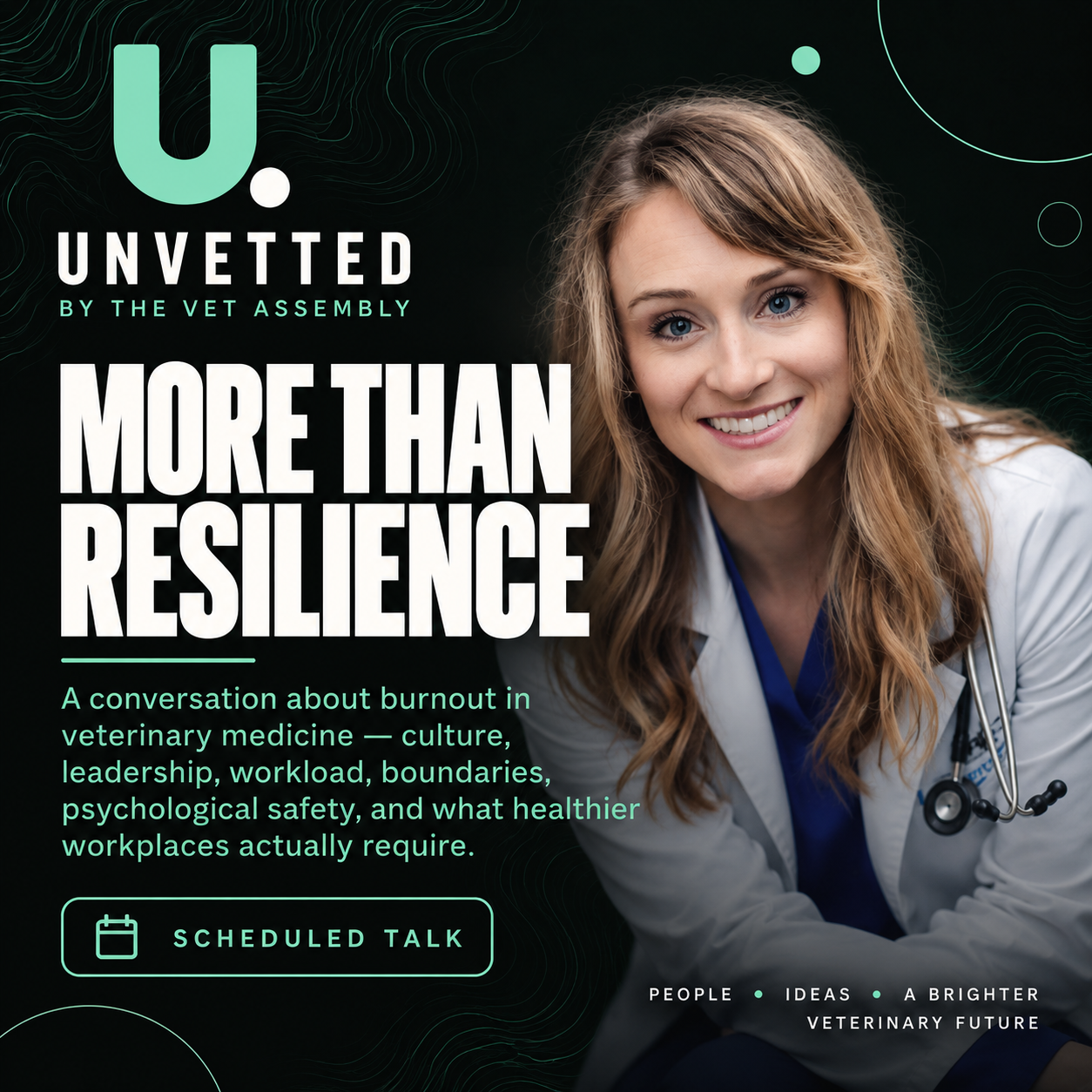
More Than Resilience: Why burnout isn’t just an individual problem.
Burnout is often framed as something individuals need to manage better. This conversation looks at the bigger picture: how leadership, expectations, staffing, workload, boundaries, and workplace culture shape the way people experience veterinary medicine. We’ll talk about where personal resilience matters, where it stops being enough, and what healthier workplaces can actually look like.
About this episode
A conversation about burnout in veterinary medicine, and why resilience can only carry people so far. We’ll talk about culture, leadership, workload, boundaries, psychological safety, and the pressures that build around people doing difficult work they care deeply about.
In this episode
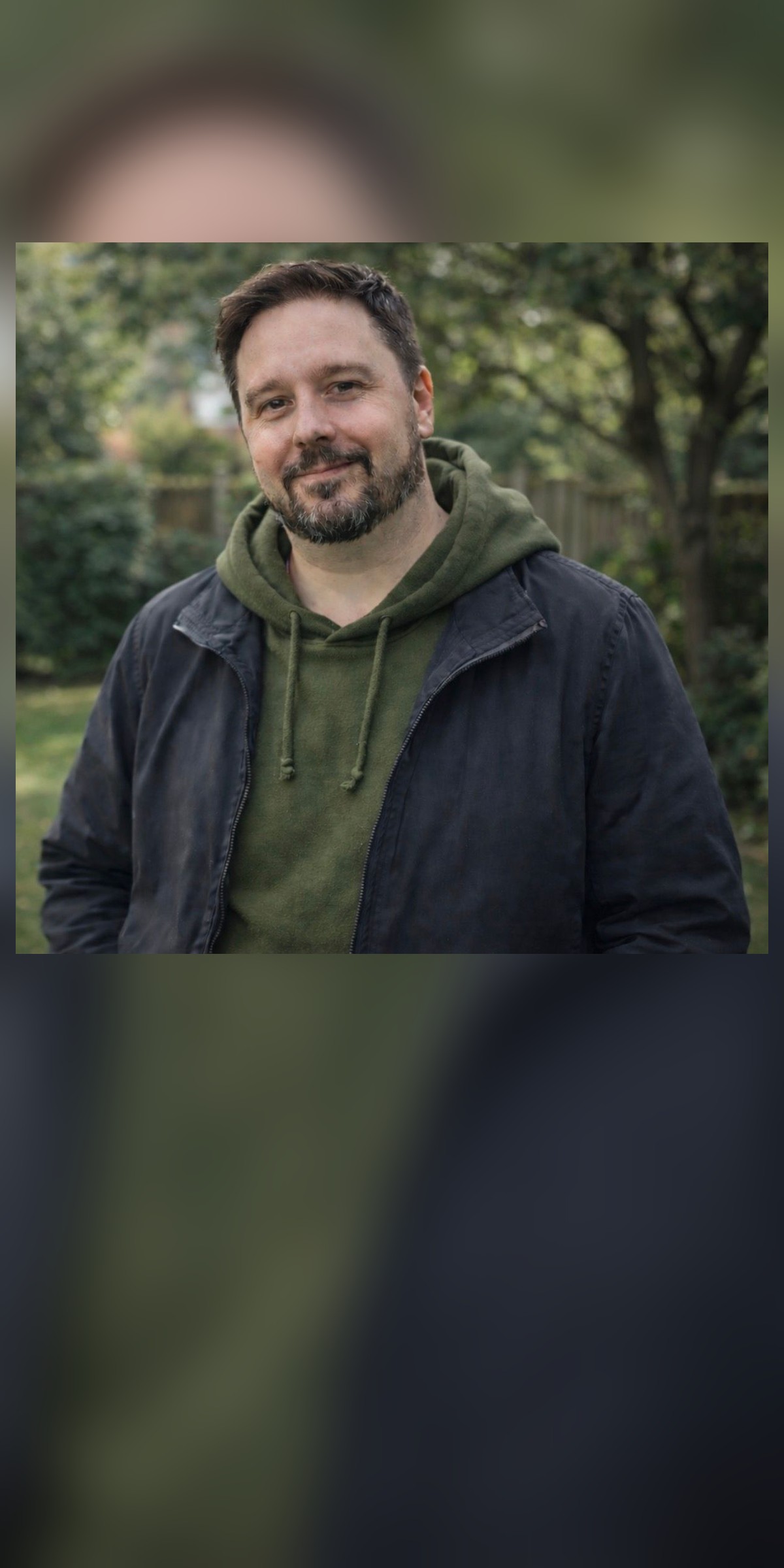
Ricky Sussams is the founder of VetStack Consulting, an independent UK veterinary technology consultancy and Co-Host of UNVETTED. He came up through practice as a practice manager and then group manager, before leading PMS rollouts across more than 800 sites at CVS, VetPartners and IVC Evidensia, and customer success at PetsApp and Lupa. VetStack takes no referral fees and resells nothing.
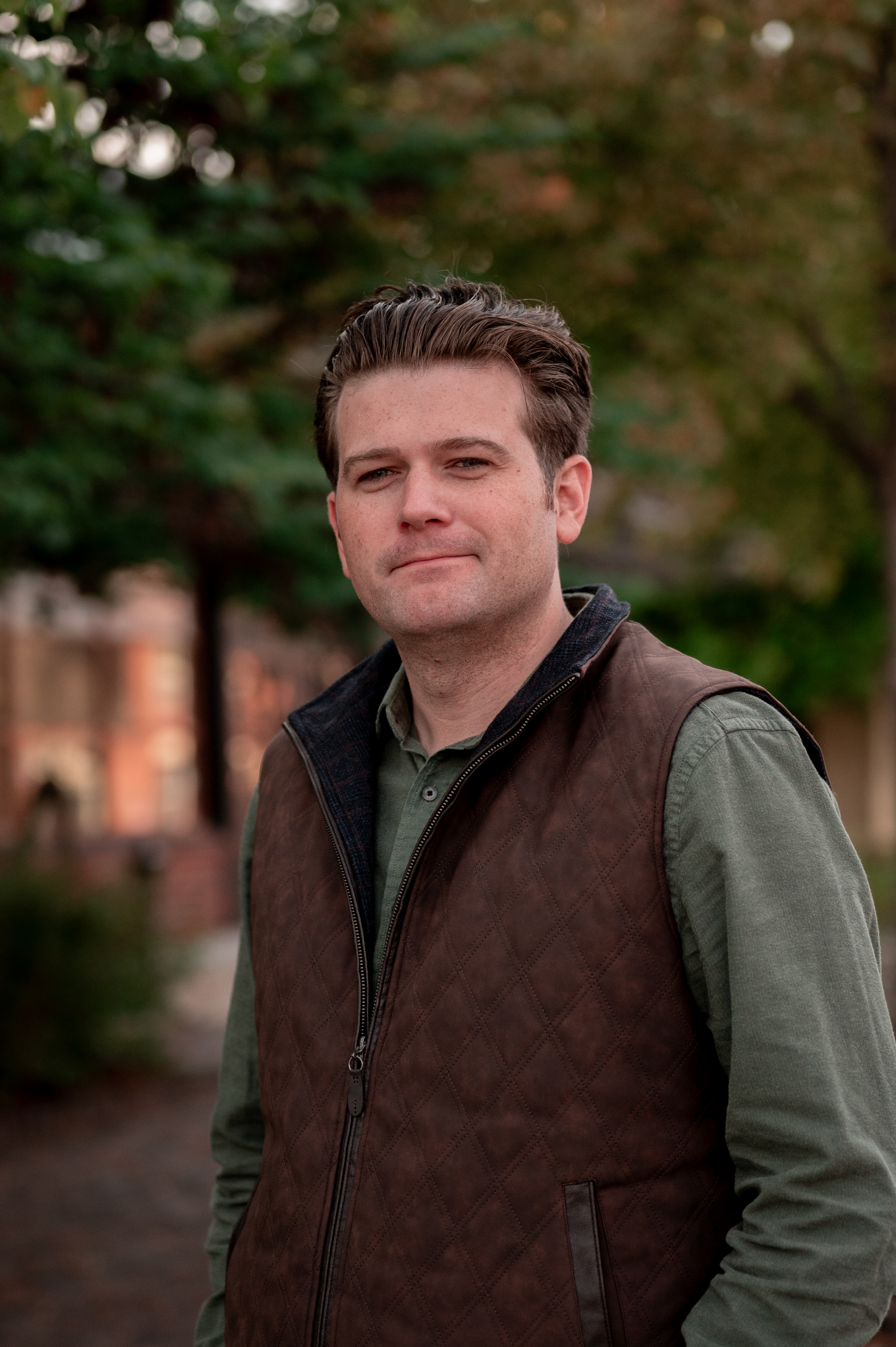
Brendan Baker is the founder and CEO of PawthosX and Co-Host of Unvetted. Before building veterinary technology, he spent years operating veterinary hospitals across general practice, urgent care, and rehabilitation. His work now sits at the intersection of veterinary medicine, technology, operations, and the systems shaping the profession. On Unvetted, Brendan brings an operator’s perspective to the conversations veterinary medicine usually avoids, sanitizes, or leaves unfinished.
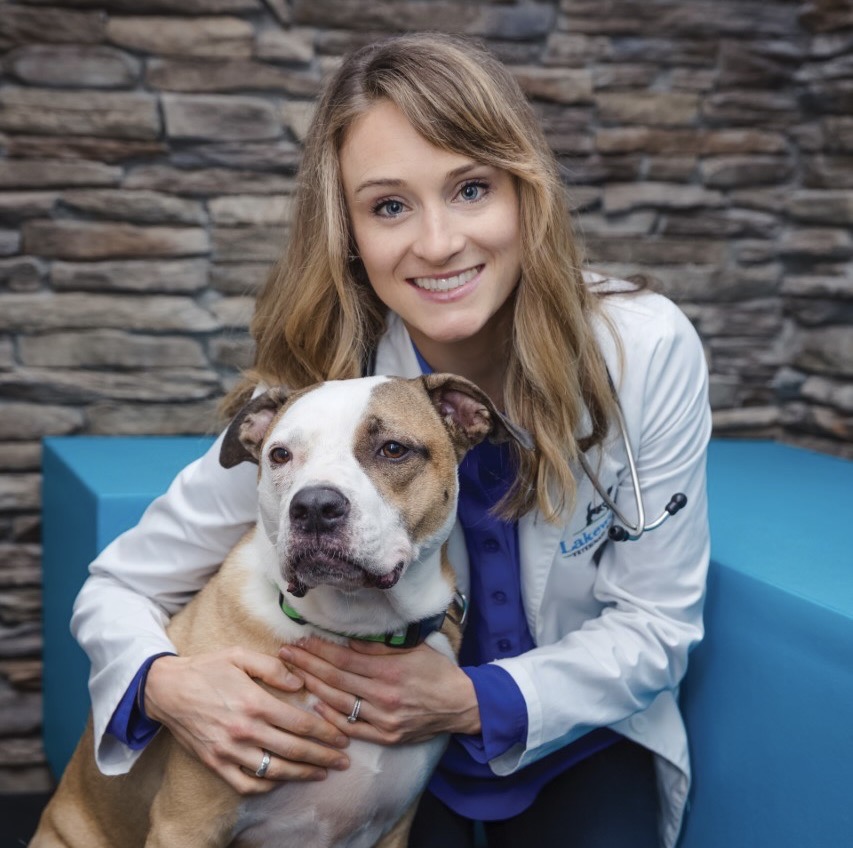
Dr. Amelia Knight Pinkston is a veterinarian, health, life, and leadership coach, consultant, speaker, and founder of Life Boost with Amelia. Her perspective combines more than a decade of clinical experience working across 30+ veterinary hospitals, her own recovery from burnout, a business mindset, and training in behavior change, integrative health, and nervous-system regulation. She helps veterinary professionals, leaders, and teams understand and address what’s driving stress and friction so they can live and work in ways that feel better and are more sustainable, at both the individual and systems levels.
Show notesEpisode details, chapters & links
More Than Resilience with Dr. Amelia Knight Pinkston
Burnout in veterinary medicine is often framed as a resilience problem. Dr. Amelia Knight Pinkston sees it differently.
In this conversation, we dig into what actually drives burnout: workload, culture, leadership, communication, boundaries, nervous-system strain, and the systems people are expected to function inside every day. Amelia brings a perspective shaped by more than a decade in veterinary medicine, experience across 30+ hospitals, her own recovery from burnout, and training in behavior change, integrative health, coaching, and nervous-system regulation.
We talk about the difference between helping people cope with a difficult environment and actually changing the environment itself — and what it would take to build veterinary workplaces where people, patients, clients, and businesses can all thrive.
In this episode - Why burnout is bigger than individual resilience - The role leadership and workplace culture play in stress - Workload, boundaries, communication, and psychological safety - Why knowing what you “should” do rarely creates lasting behavior change - Nervous-system regulation and chronic stress - What Amelia learned working across 30+ veterinary hospitals - The tension between employee wellbeing and business realities - Why burnout prevention shouldn't be the finish line - What a healthier, more sustainable veterinary profession could actually look like
About Dr. Amelia Knight Pinkston
Dr. Amelia Knight Pinkston is a veterinarian, health, life, and leadership coach, consultant, speaker, and founder of Life Boost with Amelia.
After earning her VMD from the University of Pennsylvania in 2014, she built a career spanning small-animal general practice, urgent care, and relief work across more than 30 veterinary hospitals.
Her own experience with burnout led her to explore the deeper forces that shape how people feel and perform at work, including behavior change, integrative health, nervous-system regulation, leadership, culture, communication, and practice systems.
Today, she works with veterinary professionals, practice owners, leaders, and teams to reduce friction and build healthier, more sustainable ways of living and working.
UNVETTED is about people, ideas, and a brighter veterinary future — without the polished talking points. Just good conversations with interesting people.
TranscriptRead the complete conversation
39 AM ===
00:00] We want honest conversations about the veterinary profession, the technology, the operations, the decisions that actually shape how practices run, and we'll talk about what's working, what isn't, and what people usually only say once the recording stops
Hello, everyone. Today on Unvetted, we're joined by Dr. Amelia Knight-Pinkston. Uh, Amelia is a veterinarian, an integrative health and life coach, and the founder of Life Boost with Amelia. Uh, so Amelia's history, she's worked with 30 different veterinary practices, experienced burnout firsthand, dedicated much of her career to how we think about success, wellbeing, and culture in veterinary medicine.
We hear a lot about burnout in this profession, uh, and we're actually addressing a lot of it. However, we still have a lot to figure out about what's causing it and, and are we just telling people how to cope better? Uh, today we're gonna explore that question, talk about Amelia's own journey, and hopefully challenge a few assumptions along the way.
01:00] welcome to Unvetted. We're really glad to have you.
Thank you. I'm happy to be
Yeah. Yeah. So to jump this off, we're gonna go right dive straight in. So,
Love it
we talk endlessly about resilience, right?
Угу
at what point do you feel that we're just teaching people to tolerate a bad environment?
Hmm. Yeah. I think there are two ways of looking at resilience, and it makes a big difference which kind of resilience we're talking about. There's the kind of resilience where it's just, just push through, just keep tolerating it. And then there's more of a compassionate resilience where we are listening to our body, we are learning from challenges, and we're using those challenges to think, "Okay, what needs to be adjusted?"
Or, "How is this helping me to learn and grow?" And so it's like resilience really depends on both how are we treating our bodies, are we giving ourself the [00:02:00] space to also be recovering and to be learning and growing, or are we just expecting us to, like, have the pedal to the metal, you know, going full steam, pushing through, not addressing and really acknowledging what's feeling hard until we kind of crash and burn or reach burnout
That's a lot to, to eat
just kidding Sorry, Brendan, I interrupted you
No, go ahead. I
And I would say, you know, when we talk about burnout, it's not just an individual issue and it's not just a profession systems issue. It really is both together, and I think so often we want it to be one or the other, and we can't solve it if we're just looking at, at one
Yeah, and I think like [00:03:00] Ricky and I were both practice managers, obviously two different countries, but I think that we could agree with that, right? We've, we're so quick to, especially now in, in corporate, right? We're so quick to say, "Oh, it's the individual. Not everybody's feeling this way." But we have to evaluate the root cause and get down to the bottom of it because it is affecting that rock star that we have, right?
It's just they're not showing it as much, and then they hit their breaking point and that's when you- they leave and you lose somebody who has tons of experience in all the things. So I, I can kind of understand that
Yeah. And exactly what you said, I do think one of the root challenges is that in many ways we are selecting and rewarding for certain traits that are not sustainable. I think when we really take a step back, it's like we have normalized operating in survival mode, more of a reactive versus proactive approach.
04:00] how to get into vet med, it's like has to be this willingness to you're driven, you ha- hold yourself to really high standards, you're used to getting things right and having exceptional grades, and there's this caregiver side, so you are really willing to kinda sacrifice your own needs in order to help the pets and the people around you.
And that does help us to be successful to a point, it can look like that rock star, you know, employee who seems to be thriving. And, and sometimes that person can even feel like they are thriving until suddenly we reach this point and, you know, Ricky and I were talking about this before we started recording, it so often is our body that starts telling us this isn't working.
And yet when we look at so much of how we have been conditioned and programmed, in so many ways we are taught to just push through and [00:05:00] ignore our bodies. We... Y- you know, it's that no pain, no gain. And when we're not listening to our bodies, then we miss all the warning signs until suddenly, you know, our body is telling us very loudly or suddenly you have that rock star employee who leaves 'cause they didn't say anything, they didn't even maybe know that they were, uh, struggling or they didn't feel comfortable speaking up and then they had enough
and, and what I'm hearing in that is we've normalized being overworked as evidence of dedication.
Absolutely.
just this field. This field just, you know, for example, I mean, human health, I, I was in human health for years, and it was the same problem, right? Healthcare fields come with a different level of responsibility, a different level of commitment, a different
and, and just a higher emotional, you know, burden as well, right? And there's one that in vet med does not get seen in human med, which is euthanasia, right?
Yeah. Mm-hmm.
that as a, as a superpower. I understand how that could be effective to somebody though, right? Um, [00:06:00] and with those things, other fields have some of this, but it's not nearly to the level of what medical professionals have.
Mm-hmm.
Do you, do you think we could fix burnout without changing the way that hospitals operate?
Hmm. No, I think if we're just continuing to do things the way we've always done them, I think we're gonna keep, dealing with burnout. I think we really have to be looking at the, the specific things in the day that are feeling draining or where we're having friction or stress, and instead of just pushing through and being like, "Well, that was a really hard day.
We're gonna do the same thing again tomorrow," really using those as opportunities to pause and think, "Okay, well, what about that made it really draining or frustrating? How can we rethink this so that we can make an adjustment tomorrow so we're not just feeling on the hamster wheel, you know, stuck on that, dealing with the same challenges and [00:07:00] not necessarily using the things that are frustrating as opportunities to rethink how we're doing it?"
Well, a-and also, I, I think there's a systems component to it too, right? So not only do you have the actual operation and the medicine part, right? But you and I, early into my Pathos days, you and I kind of met and talked about how we think that systems, as in what we use to operate our practices, can directly affect how our team does things and how, how burdensome things are, right?
Oh, yeah
Um, and, and I think that we have a, a true opportunity in today's age in vet med to really look at software and look at the whole thing as a holistic overhaul, right? And, and I think there's something that-- And the biggest thing to me, and please correct me if, if I'm wrong here, the biggest thing I see is that people see profit and sustainability as not achievable goals together,
Mm.
I don't believe that for a fact.
08:00]
agree
please, get away.
I completely agree. I think sometimes we do see wellbeing as this, you know, nice extra or that we are sacrificing profit in order to prioritize wellbeing and, and I strongly disagree with that. I think if we are, maybe if you're looking, zooming in on, like, one specific day, sure, if you are just, you know, overextending everyone, you're seeing as many patients as possible and it's chaotic, maybe the numbers do look great.
But if you zoom out and are looking at the ripple effect that that has for every level, it's It's hurting profit ultimately, right? If you're overextending the team, you're going to have low retention. You're gonna continue to be trying to hire. You're not going to have efficient staff. When you're overextended, you're also not creating the kind of connection and trust that you want to with pet owners, right?
09:00] extremely loyal and wanting to tell other people about you, and the patient care ultimately suffers too when we aren't having the time to educate and to connect and make sure the pet owner understands what they have to do when they are going home.
So it really, exactly as you said, we are making things more efficient when we are supporting the wellbeing and the energy of the team and, and the pet owners too. It's like really thinking about the whole ecosystem.
E-exactly. And, and I'll do one more point before I kick it over to Ricky. But, uh, I, I completely agree. There's, there's points in what I think about this as an emotionally charged event, right? And in some ways I feel when it comes to clients, right, um, our teams see them kind of an annoyance sometimes, and I think that's a s- that's, that's a, that's a part of that burnout crisis, right?
Because
Угу
if we think about it, that's just somebody who, who's looking at their pet as a family member and wants guidance and wants that emotional connection, right? But when you're emotional, uh, [00:10:00] your emotional self is so always on edge, it's hard to do that. Um, now you've seen more than 30 hospitals obvious- uh, right, i-in your career.
What separates the places where people thrive from those that are miserable?
Hmm. definitely prioritizing the people. There are boundaries in the practices where the teams are just working really well together. You're-- There's a limit, you know? They're not just continuing to accept and being okay when things are so chaotic that you're not able to be practicing in the way that feels good.
So it really is that, like, proactive approach, recognizing how important it is to support the people versus the environments that are just, you know, operating in survival mode. And, I don't think in those situations, it's not necessarily that there's an individual that's to blame because so osta- [00:11:00] so often I see the practice managers and the owners, you know, they are overextended.
They're trying so hard to support their team and to have a business and to deal with the, the clients, and they just have too many things, and they aren't putting their oxygen mask on first. And so that that's always an important place to start is, like, first tuning into what do I need first and then being able to shift out of that reactive mode so that, you know, like you were saying with the clients, we aren't just immediately having this friction and creating this division.
Instead, we, we can have that kind of connection that we
And, and to your point you just made, right, the airplane mask, that's a fantastic analysis, uh, anal- uh, uh...
Analogy.
Yes, analogy. Sorry, my brain is half working today. Uh, it is great because what is the first thing they tell you? Put it on yourself before [00:12:00] helping others. So if you take that same advice,
Mm-hmm.
to be your best self before you can be your best self to others
Yep. And that doesn't feel natural to professionals who have been taught how to take care of everybody else. And sometimes there can be guilt associated with that. Um, you know, it goes against some of the conditioning, some of what feels safe to our nervous systems. And so it really is important to talk about that, to address why that can feel uncomfortable so that when people start trying to have boundaries or start tuning into what they need, they can recognize, "Oof, this actually doesn't feel good," right?
We expect it to feel good, and it doesn't. And it's important that we normalize, yeah, that's gonna be part of the process if you are not used to taking care of yourself, and that's okay. It's gonna get easier. But you're not doing anything wrong. just might feel like it.
I, it's, it's strange that you, you, uh, you, you came up with the, the analogy of the [00:13:00] oxygen mask 'cause I was just sat there thinking about the other type of masks that certainly managers tend to wear, and sometimes other, other, um, other employees. Uh, I don't like the term hero complex. I've heard it used, but there's that, or savior, savior complex you are-- you put your energy, even though you might be burning out, you might not recognize that, but you're putting your energy into trying to recognize burnout in others and help and protect, and in actual fact, you're really doing yourself many favors there. Is that, is that just me thinking that or is that a, a, a thing?
no, that's very real. I think, uh, so often we are tying our sense of self-worth to those masks or those identities, right? It's like I feel good about myself when I'm making sure everybody around me is taken care of. [00:14:00] And it can s- I love talking about kind of nervous system settings, and that can be that kind of fawning is like it feels really uncomfortable in our bodies to see somebody else uncomfortable or unhappy with us.
And so it's like I'm gonna appease them, right? I'm gonna do whatever I need in order to make sure that the other people around me like me or are happy. And so often that's completely at the expense of our own needs. then there also is some of that we are rewarded for being right and, and being excellent.
And so there's certainly also that piece of like it feels really good when people are impressed by me, right? So I wanna do all those things, and that can also be at the extent of-- at the expense of our own needs, just being willing to push through.
And, and a quick follow-up.
in... Sorry, go on
No worries. A, a quick follow-up on that. Do you think that there's... I don't-- I feel like when I [00:15:00] was in the UK, you guys are a lot more laid back. Now, do you think there's a cultural component in the United States to this too, about success and what success looks like and all of that on a grander scale that affects this?
So I haven't lived in the UK, but I do think, you know, hustle culture in general and wherever kind of conditioning applies, definitely. W- I just think in so many ways there is this unconscious conditioning that we all have where it's like every day we are getting messaging from so many different things, hustle culture and diet culture and within vet med, is programming us to think like doing more is successful, right?
If you are resting, ugh, you're wasting time, you're lazy, right? We just need to push through. Your body is this inconvenience or the enemy you need to control. And all of that really influences the way [00:16:00] that we operate and go through our days, often without even realizing how much that is, influencing us.
So I mean, definitely there's a big cultural component to it. And because we've... it's often unconscious and we've just normalized, like this is our way of operating, then it's not even something we see. And if we're not seeing it or talking about it, then how can we change it?
That was, that was where my, my question was going, uh, to lead to was, I, I guess it's almost like this, this is a three-stage question, which I, um, well, it could be fun, so let's go for it. Mainly it's about how do you recognize it, and then how do you start addressing it? And that, that's from three different perspectives.
17:00] uh, or, or as a thing that's going on amongst the whole team? How can the individual managers recognize it in individuals? And then how does the individual recognize it, um, and catch it early? 'Cause think this is the thing that catches everybody out.
You get ill, you get sick. Uh, it, yeah, that's fine. It, it is one of those things that happens to every single human being. Um, but then it happens again and again. But th- this is over a long period of time, so it's very hard to put two and two together.
Yeah, it can be. And it really starts with tuning into our bodies, which goes against, right, what we have been conditioned to do. Because you do start tuning in, then you're gonna notice, like, how is your energy at the end of the day? That's a really great place to start. you feeling completely depleted?
18:00] outside of work? And if you just ended that day completely drained, that's a great opportunity to pause and think, "Okay, what were the specific things in my day?" And thinking about physical factors, cognitive, emotional, environmental, that contributed to that so that you are learning.
And then starting to notice, "Okay, on the days that I felt good, what things were helping to support my energy?" And the other thing is really, uh, increasing awareness about the nervous system states. So thinking about, okay, are you in mode, right? Is suddenly, do you just feel like you have a short fuse?
Everything is really irritating you. You're not really acting like yourself. Or flight. Are you just feeling so busy your, your mind can't stop thinking about things? You can't sit still. Like, maybe you know that you need to rest, but the moment you try to sit down, suddenly you, you think of something else that you need to do, or you feel, like, restless.
19:00] safe to rest. Or, you know, fawn. Are you just-- Did you put everybody else's needs before your own? You didn't put your oxygen mask on first. then there's also, like, freeze or shutdown. So, or are you just feeling completely, you have no energy, no motivation.
Suddenly you're not really caring. Maybe you're not really... It, it's hard for you to focus. Mo- maybe more of a brain fog. All of those things are so helpful, but when we're in that survival mode, right, we're just reacting to everything. And s- if we can instead notice those, then we can catch signs way before burnout happens, right?
'Cause we can be like, "Wow, well, that day really took a lot out of me. What were those specific things?" And then all of those things suddenly become something that can be adjusted, right? And if you're just like, "Oh, well, okay, I noticed that I felt completely drained, and I was really irritable. But I also, like, didn't really have breakfast [00:20:00] and just had, you know, three cups of coffee.
Well, maybe I'm just gonna see how I feel when I prioritize a breakfast that is actually giving my body and brain fuel. How does that make me feel about
Yeah.
know, difficult client later
So that was literally me this morning. I've had three cups of coffee and no breakfast. But, um,
so
so,
data
so I have a, I, I guess this is a, an interesting pivot, too. Uh, I mean, I think there was-- I saw a study somewhere that 30% to 35% of our field are neurodivergent, and a lot of those things that you just mentioned are things that neurodivergent people do.
I have ADHD. It's been a huge thing for me, right? Um, specifically with that and, and, you know, in the last few years before I started my, my company, I did a lot of soul-searching and some-- and I'm not a, I'm not ashamed to say this, I did some therapy. I had a lot of things from childhood that were, were keeping me back, right?
And, and thoughts and mind processes, and even more enlightening things about how I look at the world. [00:21:00] I was looking at it so- in such a fearful lens, no matter what, whether it was, whether it was what I can do and bring to the world, whether it was my job, whether it was even politics, right? Everything was such a cynical view from that.
Do you think that anything with neurodivergence specifically extra-- like, make this even worse, uh, in our environments and for our people?
I think,
question
yeah, I think it is important. I, I think there is a lot of neurodivergence within vet med, and I love that it's being talked about more and more. within vet med, I think even the way that we are selecting for vets, you know, if we even look at the, the NAVLE that we have for in the US and how we're getting licensed, so much of it is, like, expecting everybody to be robots, working the same way, thinking the same way, doing the same things. that's where instead if we could just start tuning into our [00:22:00] individual bodies and learning, like, how can I work with my body and brain? What are my unique strengths? Where are the areas that feel harder for me, even if that is easy for somebody else? Like, the more that we can be talking about that, the more we can have a variety of brilliant minds that are thinking about challenges from different perspectives instead of all trying to think the same way, you know?
And
and
I hate the way the... Like, I hate the NAVLE. I think that's the absolute worst way of determining if someone is going to
Well,
as a
and, and I was gonna say my, my other half at the Napoli time saw it as an existential threat, right? And, and, and that put up guardrails and all those things. And, um, and, and to the other point too, I mean, neurodivergence people are also the ones that think outside the box of how to make things better, right?
In a, in a lot of ways, right? If you look at history in general, most of the most incredible things that we have [00:23:00] populated from somebody who is neurodivergent, right? Because we, we think about things outside the box. We think about how to do different things and make it happen, right? And we're, we're obsessive until it happens, right?
So I mean, I, I think it's, it's a great thing that we're talking about it and, and myself as a manager being neurodivergent, I like to listen to my team members who are neurodivergent because they might see something a completely different way than I did, and we can get to the same conclusion and figure out a way to do something.
So I, I do hope that more people start listening to their team members who are neurodivergent from a, from a standpoint of, hey, they might be intense, but they have some pretty good ideas. They, they care, and that's why they're doing it
so much. And what you said about just listening to the different team members' perspectives, I think that is really important for leadership to recognize. It's like everybody on the team is seeing things from a different perspective, and that's so valuable. It's like every single one of those are different pieces of a puzzle, and I think sometimes leadership's trying to [00:24:00] make a lot of decisions without necessarily getting all of those different perspectives or empowering, you know, making it safe for anyone on the team to be sharing ideas, because they're all seeing challenges, right, that maybe the leaders aren't seeing, and maybe they have ideas.
It's important to be creating that kind of safety where, like, it's okay to have an idea. It doesn't have to be, like, right or wrong. Let's just, um, sharing and working as a team
If we may, I'd like to go back a little bit and, and touch upon the nervous system a little bit more. Um,
Yeah
is, i-is, is there a difference? Like, uh, am I or not am I right now, but the-- I ha- I have bad periods. I've had bad periods throughout my whole career where I wake up on a Monday feeling quite sick.
25:00] you know, uh, you get that feeling, but I'm just having a bad few weeks at work. Maybe it's a couple of bad months, new manager, Could be a load of things.
Yep
Versus th-the other feelings that you can have, um, when you're trying to go to bed and your brain won't let you sleep because you're constantly thinking about something at work. Uh, how do you know when it's just a bad period versus the, the, the going onto that pathway to burnout?
Yeah. I think one thing can be the, the length of time. So, you know, what you're describing, and when I think about more of, like, the, the shutdown, like suddenly maybe you're feeling really sick, you're not really wanting to be around people, you just have, like, no energy or motivation. I, I think about our body really being, like, the one thing in this world [00:26:00] that is completely devoted to taking care of us, right?
Like, that is its only job is, like, "I'm gonna do whatever I need to do in order to take care of this human."
I'd argue dogs too. That's their sole job.
do kind of think about it, like, as a little dog, right? It's just like, "Okay, I wanna take care of you." Um, so it's like those times when we experience is really this way of it saying, "Whew, okay, I've been overwhelmed.
Like, this has been a lot." And it may be, you know, that it's a, a day that you're experiencing that, or maybe it's longer because maybe for a long time you've been kind of pushing through more in that flight mode, just trying to get through and, and suddenly you've, like, made it through that hurdle, and now your body's like, "Whew, okay, we really need time to recover," so we're going to make it feel like you can't do anything or like you don't wanna get out of bed because we need to force this recovery, is kind [00:27:00] of how I think of it.
And I think one unfortunate thing, when we think about that conditioning that we have from our culture, is that so often we are conditioned to react to that low energy by, with judgment towards ourself or to someone else, you know? To be like, "Ugh, why am I being so lazy? Like, why am I feeling like this?
I need to just, like, push through. Okay, I need to keep going." And when we react to it that way, now we're adding more stress, more pressure to this nervous system that's trying to say, "Hey, we need a break." And instead, if we start to really recognize that as a message from our body early on, being like, "Oh, okay, I'm seeing from my body it's saying that this has been a lot.
Let me think about, like, okay, what have I been doing for the past week, month, year? Why is this really understandable?" And then we can meet that with compassion and think, "Okay, well, how now can I actually [00:28:00] prioritize the space and time to recover that I need?" it really helps to shift back out of that.
And I think that that's one of the tricky things with burnout is are you feeling burned out but still expecting yourself to just push through and to continue to, to deal, or are you able to pause and think, "Okay, I'm getting this signal. Something needs to change," and getting curious about what that could be.
How... Sorry, I, I, my brain is, uh, swi-, uh, full of questions, and I'm trying to put them in some sense of order. Um- I, I, I guess for me it's h- how, how do you stop when the work is so critical? Um, I'm sure... I think of so many industries, uh, and so many different professions. I'm even thinking back to my own.
29:00] vets, nurses, reception. Their jobs are critical, and how do you find the time to, to start looking after yourself and start protecting yourself when you can't afford it? Um, or the company can't afford it, or the, the animals can't afford it. Do you- mm
Yeah. That's certainly something that a lot of people ask, right? Because it can feel impossible to carve out time for yourself, there's the reality that eventually your body is going to force you to, and it's probably not going to be a, convenient time. so, you know, ultimately it's like are you gonna do it sooner, or are you gonna do it when you, you know, end up...
I, I've heard so many stories of people ending up in the hospital because they just felt like they couldn't, and then eventually you just have to. And in my journey, you know, I was [00:30:00] dealing with all these weird signs in my body and seeing specialists and not getting answers. And so, to... There is this point of like we just don't have the option to not, and so really thinking about, okay, well, what do we need to do at the individual level and within the, you know, the workplaces that we're making this possible?
And, and there are so many aspects of that. You know, for someone who is listening right now, I would say, like, the first place to start is, knowing, uh, you... If you're noticing, oof, okay, maybe I am in shutdown, maybe I am burned out, you don't have to solve everything overnight. You don't even, you know, it's not like you have to take a huge leave of absence necessarily. just start collecting some information about what is feeling hard or what is one thing that you can do to start, start signaling safety or support to [00:31:00] your body, what is feeling hardest. And, you know, that's when sometimes working with a coach or a therapist can be really helpful or, you know, listening to podcasts like this.
Just, like, what's one thing that you can change? me, when I was burned out, I actually ended up doing more and that helped me to recover from burnout, which k- sounds very strange. But- When I was recognizing that I was having all these weird signs and I was like, "Oh, oh wow, I'm not thriving the way I thought," that this is really taking a toll on my physical and mental wellbeing, I suddenly felt stuck 'cause I felt like, okay, I have spent my entire life getting to this point, so much money, and I didn't know what I would do differently. And that felt terrible, right? I was stuck in that shutdown state. But as soon as I started to get curious and started to question some of those [00:32:00] beliefs, like that I was stuck doing this, I started to realize, okay, well, I actually am not. I could do anything that I want to. It just feels scary to do that.
And that's when I st- I started to think, "What else would I do if I wasn't a veterinarian?" I discovered health coaching, and I decided to sign up for the certification to, to do that. And I did, like, the accelerated six-month program, and I had added more onto my plate. I was still working full-time. I was then, you know, doing, like, 16 hours of coursework per week. But I felt so happy because I had taken away that big stressor, this big belief of, "This is just what I signed up for. I have to keep doing this." And suddenly, I had just, like, opened up my world a bit to all these other possibilities that were giving me energy and making me really excited. I loved learning, and, [00:33:00] and that helped.
So it doesn't always have to be stopping everything. really more, like, getting curious about, like, what is creating this reality where you-- it's feeling like too much, and what needs to change? And that can look like so many different things. And then within the workplace, making sure that we are being proactive and having conversations, and helping to educate, to make sure that people know how to be, you know, increasing that self-awareness, tuning in with themselves, making it safe to say when we are feeling at capacity and we're-- or when we, you know, only have, like, 30% to give instead of 100%. It's important to have that psychological safety as well
Yeah. Uh, the, the psychological safety, I, I, sat there and thought to myself [00:34:00] Ah, this is admitting things, but, uh, I used to, so we're gonna go back a little way, but I used to think that talking about it, uh, and, and sort of trying it, it feels like a weakness.
Mm-hmm.
and actually I feel very vulnerable doing it. Um, and I almost put... A- a- and almost the stress of having to talk about it makes it so much worse 'cause you're, you're adding this extra stress on of, "Am I gonna keep my job? Are they gonna look at me differently?" That, that feels like quite a hurdle. I suspect that I can't be the only one that probably felt or feels like that
I would imagine, I would imagine some of that also comes from the what society expects from men. We're not supposed to be open with our feelings and our thoughts, right? So I think that there's some that definitely comes from that point as well
Yeah. And, and that's where we really need to start making it [00:35:00] safe to be humans and not robots. Like, the reality is we cannot show up at 100% every single day. It's just not the reality, and if we pretend that that's the case, that's when we run into challenges. And so it really is for the leaders something to be thinking about.
How can you be leading by example, not just, you know, taking care of everybody else, but yourself to be a little bit vulnerable, making it safe to s- to be honest when you are having a hard day, you know, or when you are not at 100%. And it doesn't mean that that has to be a weakness or an excuse, but it means having that self-awareness of, like, knowing where you are so that you can also get curious about what you need to get through the day, right?
36:00] You know, who's at 100%? Who's at 20%? How can we be getting through this day together in a way that feels okay?
Before we continue, I wanna add a little context to something I bring up in this next part of our conversation. We've made tremendous progress in how we talk about mental health, and I think that's something worth celebrating. But I've also noticed a growing trend, particularly on social media, where mental health terminology is sometimes misused or weaponized to shut down disagreements, label people, or avoid accountability.
I mention Gen Z in this discussion not because I believe this represents an entire generation, but because I think social media has played a significant role in shaping how this language is used. My concern is that when these terms lose their meaning, we risk undermining the credibility of people who genuinely need support.
It's an uncomfortable topic, but I think it's an important one to discuss openly, and that's exactly what Unvetted is about
And, and in a way, I, I don't wanna be the generationalist here, but I feel that, and this is-- I, I'm not [00:37:00] trying to segment people, but I feel like millennials specifically, we, we were very good at getting into our, our feels, and actually taking therapy and, and, and these things more seriously about wellbeing, right?
And I feel like a term, a turn where, where it's got more weaponized
Mm.
terms, but they're not actually in that place. Um, and, and I don't know necessarily how to solve it, 'cause I think that, unfortunately, when people weaponize these terms in some ways, and I hate using even the term weaponization, but when they do that, society and other people just tune us out, right?
And tune people out. So I, I would be interested to hear how, how you two think about that and, and, uh, if you think it is counterproductive
I mean, I think we-- I think about three Cs that are really important for, like, shifting out of reactive and being in a more proactive state, and they're compassion, curiosity, and [00:38:00] connection. And I think that that's how when we're thinking about, you know, generational and we're, when we think about how we feel like someone is, you know, dealing with wellbeing or their emotions, you know, first just having compassion, like that is it for that human, and making sure we're having compassion for ourselves.
But then just bringing curiosity to better understand why they're acting that way. Um, so because I think, you know, it's easy to make generalizations, but then really it's like each individual is, uh, having their own reasons. And so I think it is helpful to explore why is there fric-friction, right? I know that some of the older generations can be very frustrated with, like, the newer grads really speaking up for boundaries when that wasn't the way that they used to do it.
But, you know, that really-- how are they doing? How are they doing now that they did have to go through that, just [00:39:00] pushing through? And how can we focus on a common goal and then get curious about how those can all fit together?
Yeah, and, and, and the part, point of me bringing that up wasn't to say like, "Gen Z bad, they're all doing this," right? Like, it was more of like I think that some people like now put it all on a, "Oh, okay, all this is made up," kinda, nobody really actually does that. And, and that's always going to exist, but I, I feel that it, dismissal of these things has become more common, specifically like your example, between older and younger.
Um, and, and I get it, like in a way. Uh, even I, I think if my-
media's also amplifying
Mm-hmm.
image.
Mm.
Um,
100%.
the, the privilege I've had of working with many different generations, um, over the, the, the past couple of... well, past 10 years, I haven't met anybody that, that weaponizes, [00:40:00] um, their mental health, their general wellness. I think people do go through it, and I also think, think the younger generation are always gonna have it a lot worse than the older generation, and that is simply because the further we, we get as society, we are tightening things.
Uh, there are rules. There are far more rules and processes and red tape and all sorts than there were 10 years ago, and there were more 10 years ago than there were 20. So we are adding layers and layers of complexity to life in general, not
うんうん。 う
I, I do think it's genuine that life is getting, life is getting tougher. Um, but I think that w- you know, it is the way of the world, isn't it? It's always going to get tougher as we grow as a society.
And Ricky, thank you for...
[00:41:00] sorry.
Well, thank you, thank you for, for saying it, uh, better than I could because that's basically what I was kinda getting at is that social media, the amplification there is putting a bad eye on basically everything, right? And there's this, this weird culture that's around like, I, I, I don't even wanna use the term victimization.
I don't even know how to explain it, but like of, of using these, these reasons as reasons to not do something that really is... It, it's just weird and it, I think it's just causing some, some negative light on it. So thanks for that understanding
I think social media, ugh, right? Comparisonitis is not helpful, and I think that that also gets in the way of like, you know, if different generations are comparing what they did to the other. It's just not helpful, you know, or what we're comparing to, to someone else. So if we can instead just bring that curiosity and recognize that ultimately if we are tuning into our bodies [00:42:00] and prioritizing wellbeing, that everybody wins. We, we shouldn't see it as a zero-sum game, and I think sometimes that's the situation of like someone feels like if one person's having boundaries or supporting their wellbeing, it somehow means more work or more that's being put on the other person, and we just need to be looking for solutions where that's not the case.
It needs to be everybody has that baseline foundation of prioritizing their wellbeing.
100% agree. And while we're talking about technology, since social media is a technology, there's a new one that's even bigger in, in vet med right now, right? And that's AI. So a big one is that AI is supposed to make veterinarians more efficient. Now, my question is, are most people actually planning around giving them back time or do you think that it's expecting them to see more patients?
Do you think it's being exploited?
I think that depends on, on the [00:43:00] practice, right? I think there's definitely seeing it as a way of being more efficient, but, you know, how are we using that efficiency? 'Cause it can be so easy to fill space with, more to do instead of thinking how can we use this in the most strategic way
So that, that actually falls back onto a point you made a bit earlier where you, where you identify... I, I can't remember how you said it. You said it very eloquently. But I'll, I'm gonna go with the, the biggest pain point in your day, uh, that's causing you the most stress. That I see is a small little thing of bringing through some sort of AI tool that's gonna allow you to have a little bit of time back to, to then deal with whatever that bit of the problem is. Um, maybe it's that you're getting stressed over the pho- I don't know. Um, but could you do something like that? Is that like a good example of, of taking these little steps to, [00:44:00] to nip it in the bud,
Yeah. I mean, I love the work that both of you are doing in terms of using technology to do things smarter and more strategically, because absolutely, there's, there's so many moments in the day where technology can be really frustrating. Or maybe, you know, when we're thinking about the cognitive factors that can be draining, are you... How many things are you trying to keep track of at the same time? Are you trying to remember to do that call back? Are you trying to make sure that, like, something got, that all those charges got put in, right? Like, there's so much that can be draining, and it's like if we can instead recognize those moments, where are humans having to use their energy and brain power on something that can, technology could probably do smoother and better?
45:00] we are creating more capacity, more brain space for the, the vets and the staff to be connecting with their patients and the clients in a way that really feels good
I agree with that. And, and the big thing too is the way I, I see it is AI can either go the way of social media or it could be something that brings us peak human existence, right? And what I mean by that is we don't have to worry about all the stressors. All these things can be prompted to us. We could still be the decision maker without having to do all that admin, right?
So I think that there is multiple ways to look at it. Um, yeah, I'm, I'm in agreement with that.
I, I, I, I don't know what I would do without Claude. I really don't. Like, the 80 quid a month I've ever spent on anything in my entire life, and being, uh, neurospicy, it is the single [00:46:00] greatest tool in my, in my arsenal, and I genuinely don't think I could do the job that I'm now doing, uh, without it keeping an eye on me.
Um, and,
I-
it is my supervisor, and it is reminding me of everything to do. Like,
I call it
so much of a cognitive load off my mind
Mhm
I call it my executive function . So, 'cause it is, it, it's, it's replacing that within my brain, right?
Ja
is. It can be so helpful too for just, like, sorting through all the things in your brain, right? If you have an idea, and I also think it can be helpful for reflecting things back. And yeah, I think just, like, understanding a little bit more of the way that you and looking for ways that it can help with some of the things that doesn't need, like, your unique way of doing things so that you
But
have more creative space
at the same time, we have the flip side of that coin where it becomes a mirror that just keeps on [00:47:00] rattling back what you wanna hear, right? So you have to be extremely careful about that
Yeah. And not trust it too much. I've-- Using Claude and ChatGPT, I've had some projects where I'm like, "Oh, it'd be great if it could give me a whole list of, um, you know, studies that, that way I can just read through them," and seeing how it would make them up, or the summary that it had would not actually be what, uh, was the reality when I read the paper. Um,
And they're all not made equal.
challenge what it's giving
Yeah, yeah, and that's what people don't also realize, like, um, it, it, it, it shocks me, like I'm not gonna lie, what, what shocks me before we get back on track here is, is how many people fall for AI videos.
Ugh,
Like, you know, and you look close, it-- that person's got seven toes. I mean, like the things that we don't notice in videos that people are, are going onto, I think is also going to...
Honestly, I think it could be weaponized to a point where it does make us feel more inadequate, just like social [00:48:00] media has to a lot of people, right? Um, so I, I'm interested to see where AI takes us on that part, but
Gonna be interesting. Yeah. Have you guys watched the Netflix... This is completely off talk, off
No, please. We
Netflix has the AI doc. Have you guys watched that?
Can't say I have yet
Okay. It's, it was heavy. I needed to... I had a lot to process after watching that. Um, but yeah, they're just talking about the, the future of AI and have some of the, the CEOs of the leading companies.
Um, it's wild just to think about even in the next year how much could change in our world and our way of doing things
Yep. And, and I mean, I don't disagree, and I'm all in tune with those people. Um, and there's some fundamental differences that we have as, as a society that we have to consider about this. And it's not even just talking about the individual impact, but, uh, community impact and, [00:49:00] and global impact. And
Big
I said, it, it really depends.
Like, this is-- those are the people who are deciding if it goes the way of Facebook and social media or
Yeah
human existence because, you know, I could see a world where we finally decide, well, we're past money, right? We, we value people on what they want. And, and not, not saying utopia's around the corner, but like, I would love by the time I'm retired that the next generation, if they like just gardening, they can just garden, and they don't have to worry about the roof over their head or, or where their food comes from, right?
Like, that's peak human existence to me, doing what you want and having that ultimate freedom.
Yeah
so that's the way I hope it goes. I don't think it will
Trek
but
Yeah, I, I hope so. Yeah, I think you'll like... I think you'll find that documentary interesting. It talks about that
I've just brought it up. I'm having a look at it now. Um, but what you were just explaining there is, is funny enough the fundamentals on Star Trek
So
money doesn't exist and, and [00:50:00] everybody just works for the betterment of humanity. I,
Y-
I
a Trekkie too?
Oh, come on. Like, d- does this surprise you?
No, but I, I see the Star Wars stuff. I didn't know the Trekkie. There's, there's usually a battle between them, but
Wars is, is quite accepted, but so that's why you've got the Star Wars shelf. But yeah, I, I, I may be a bit of a Trekkie
That's amazing.
uh, I keep that over
Hmm.
secret cupboard
So,
I closet Star Trekker
uh, s- so we're starting to get towards the end of this, and I wanted to go to, uh, o- one final question from each of us. And, a- Amelia, I, I kinda wanna know, what do you think we're getting fundamentally wrong about burnout that no one wants to admit?
Hmm. I think we, I think one thing is that we've just kind of [00:51:00] accepted it. There's this sense that, like, it's, it's always gonna be something that we are experiencing in vet med, and, and I personally don't feel like it has to be that way. think that if we are starting to really tune into our bodies and about how we can create systems and just normalizing being able to recognizing, recognize the early warning signs, I think that becomes this opportunity for us to use those things that are energy, causing stress, us to really rethink how can we do this in a way that feels better for everyone. Um, and then I think the other thing is wanting, like, one answer of, like, what's causing burnout, and I think that it's always individual. You know, like what led ... The specific things that contributed to burnout for me is gonna be different from someone else. [00:52:00] You know, it's not just euthanasias or compassion fatigue. But ultimately, it is that our nervous systems, our bodies eventually reach this point where it feels overwhelming. And so instead, if we can really empower individuals and practices to be learning about, like, what are those specific things for them, the specific factors in vet med and outside of it that are, are feeling hard, that's how we can really be doing success in a way that actually feels good and sustainable instead of just looking good on paper.
Um, my, my question is, I, as you, you said a bit earlier, that y- you've been through this, and you've, you've come out the other side, and you are where you are, which is fantastic. But knowing everything you know now,
Mm-hmm.
if you could jump back in time,
Mm-hmm
would you go intervene, and what would you say?
If I could go back in time, when [00:53:00] would I... What did you say?
yeah, so that, that, that tough period as you were starting to get towards burnout,
Yeah
knowing everything you know now, if you could go back in time to your previous self,
Sure
when would you go back and what would you say?
உம்.
you, would you try and intervene, or is it a learning curve you had to go through? I don't know. That's why I'm curious about the question
Yeah, it's a great question. I, I now am so grateful in a way that I experienced that because it has led me down this path that I certainly didn't plan on. Um, but I'm really grateful. I love the work that I do now. And so if, if I had to do it all again, you know, I would if it meant being at this point and getting to share the message that I really believe in in, in doing this work.
54:00] Um, for anyone that is going through a time that feels really hard, I like to call it the goo phase, um, because it's like in order for a butter- or cr- a caterpillar to turn into a butterfly, it really liquefies or it turns to goo inside its chrysalis. And I'm sure that that is an uncomfortable process, but it is also this natural necessary step in order to gain this new perspective and to transform. I see these, those points in our lives that feel really hard. As long as we do have that curiosity and use that to learn, I think that that's what really takes us to beautiful places. So, you know, there are def- there's a lot that if I was like to talk to my younger self and maybe I would go back to like when I was six years old, which is really when I remember [00:55:00] taking work, you know, school seriously and wanting to get perfect grades and thinking I needed, you know, to be the good girl.
I think there's a lot that I would tell her now that could have changed my en-entire experience. Um, but I also don't know that I would if it meant changing the path that I went on.
are now.
Yeah.
the uncomfortableness, as you put it, all worth it the end
It was,
What makes us who we are, right? Our unique challenges
Yep, there's, uh, I wouldn't go back if it meant not having the perspectives that I have now. Yeah
Well
And I think that's a lovely message to end on, which is that,
Yeah
um, you, you... it gets better. So anybody that's going through it, you come out the other side
Absolutely. I
And usually stronger
yes, com- absolutely. Burnout really isn't the end, it's the beginning of this [00:56:00] new chapter where you get to do life and things in a way that works better for you. Now you have so much information about what doesn't work, and now you get to try the approach that does
Actually, I was-- sorry, I know you're trying to wrap this up, but as you've just said that, I have sat there and thought to myself, that is the story you hear the most, actually. Yes, everybody has a burnout story, but everybody also says that they're so much better now, that life is so much better than before started to burn out
Yep. So important for anyone listening who is feeling in that goo phase right now. Butterfly
Well, and Ricky, I know you have another question.
now. No,
No, no. You have another question you asked. You asked Courtney. I figured that's gonna be your ongoing question
Oh, yes. Yeah.
I know the answer, I think, but
Uh, [00:57:00] cat or dog?
So I love both, but I would say I'm a dog person
Oh, Brandon is two-nil
So I love pitties so much. I have a pitty and a, a Frenchie. Um, but yeah, pitties have
Pitties, they're just, they're just... I've never met a, a more, a group of, of, or a breed of dog that is so in tune emotionally with people than pitties are, right? It's just crazy.
Absolutely. Yeah.
guess Ricky's running away, um, so we'll wrap it up. Um, and, uh, I, I thank you again for being here.
Thank you. I really appreciate