Season 01 / Episode 002
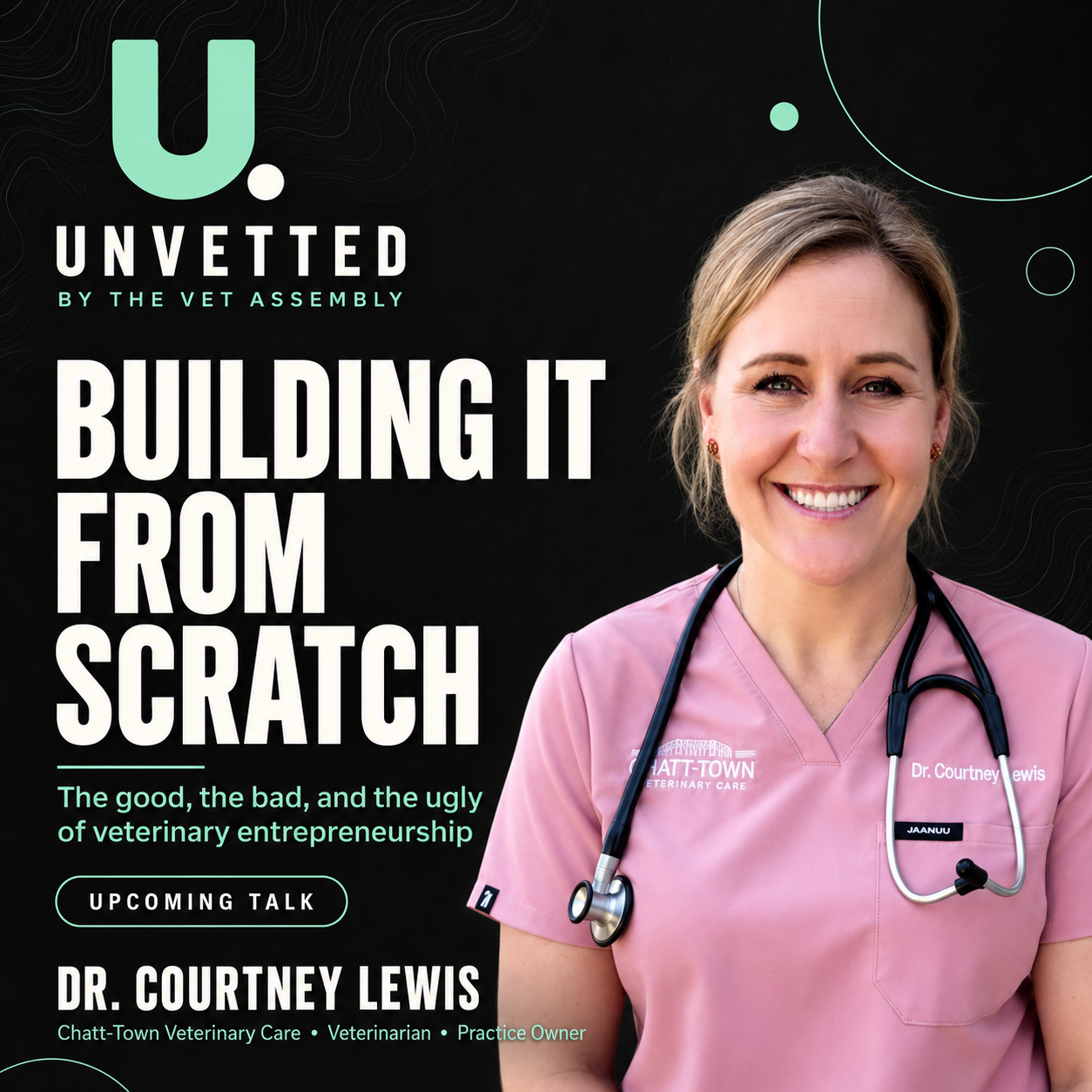
Building It From Scratch: The good, the bad, and the ugly of veterinary entrepreneurship.
What is it really like to start a veterinary practice from scratch? Dr. Lewis joins Unvetted to discuss financing, hiring, construction, vendors, technology, leadership, mistakes, ownership, and the realities veterinarians face when becoming entrepreneurs.
About this episode
Opening a veterinary practice sounds exciting from the outside. The reality is construction delays, hiring decisions, financing, vendors, technology, pricing, leadership, unexpected costs, and trying to keep practicing medicine while building an entire business around yourself.
Dr. Lewis joins Unvetted for a candid conversation about what it actually takes to build a veterinary practice from scratch — what went right, what went wrong, what nobody warned her about, and what she would do differently knowing what she knows now.
This isn’t a step-by-step guide to opening a hospital. It’s a conversation about entrepreneurship, ownership, risk, identity, and what happens when a veterinarian decides to build something of their own.
Discussion lanes:
The moment she decided to stop thinking about ownership and actually do it.
What she underestimated before opening.
Financing, construction, vendors, technology, and startup costs.
Hiring a team before there is really a business yet.
Becoming an employer and operator while still being a veterinarian.
The decisions that looked smart on paper but failed in reality.
What clients actually cared about versus what she thought they would care about.
The emotional side of putting your own money and reputation on the line.
What she would never do again?
What she would absolutely do the same way tomorrow?
Whether ownership ultimately gave her the freedom she expected.
In this episode
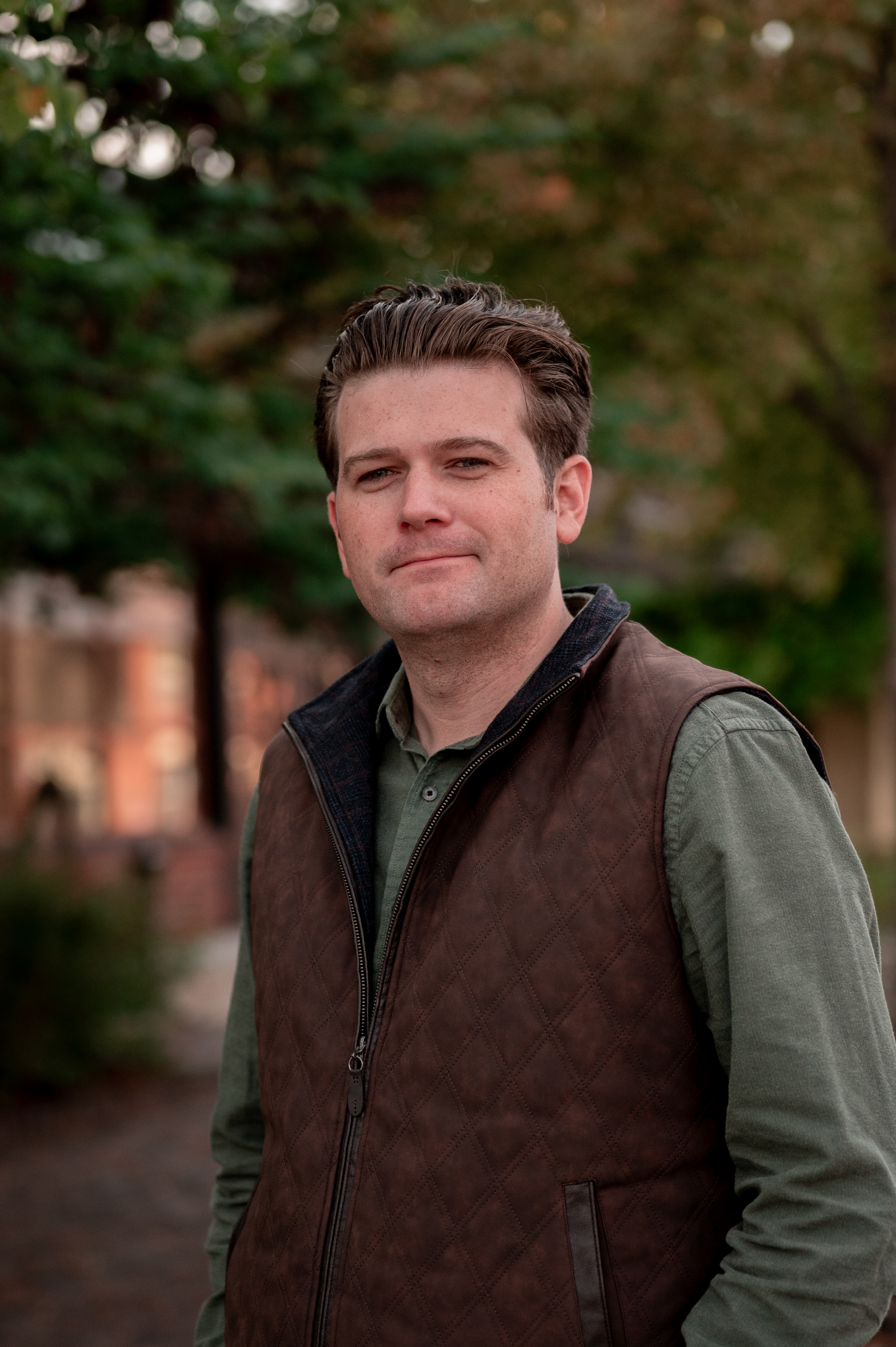
Brendan Baker is the founder and CEO of PawthosX and Co-Host of Unvetted. Before building veterinary technology, he spent years operating veterinary hospitals across general practice, urgent care, and rehabilitation. His work now sits at the intersection of veterinary medicine, technology, operations, and the systems shaping the profession. On Unvetted, Brendan brings an operator’s perspective to the conversations veterinary medicine usually avoids, sanitizes, or leaves unfinished.
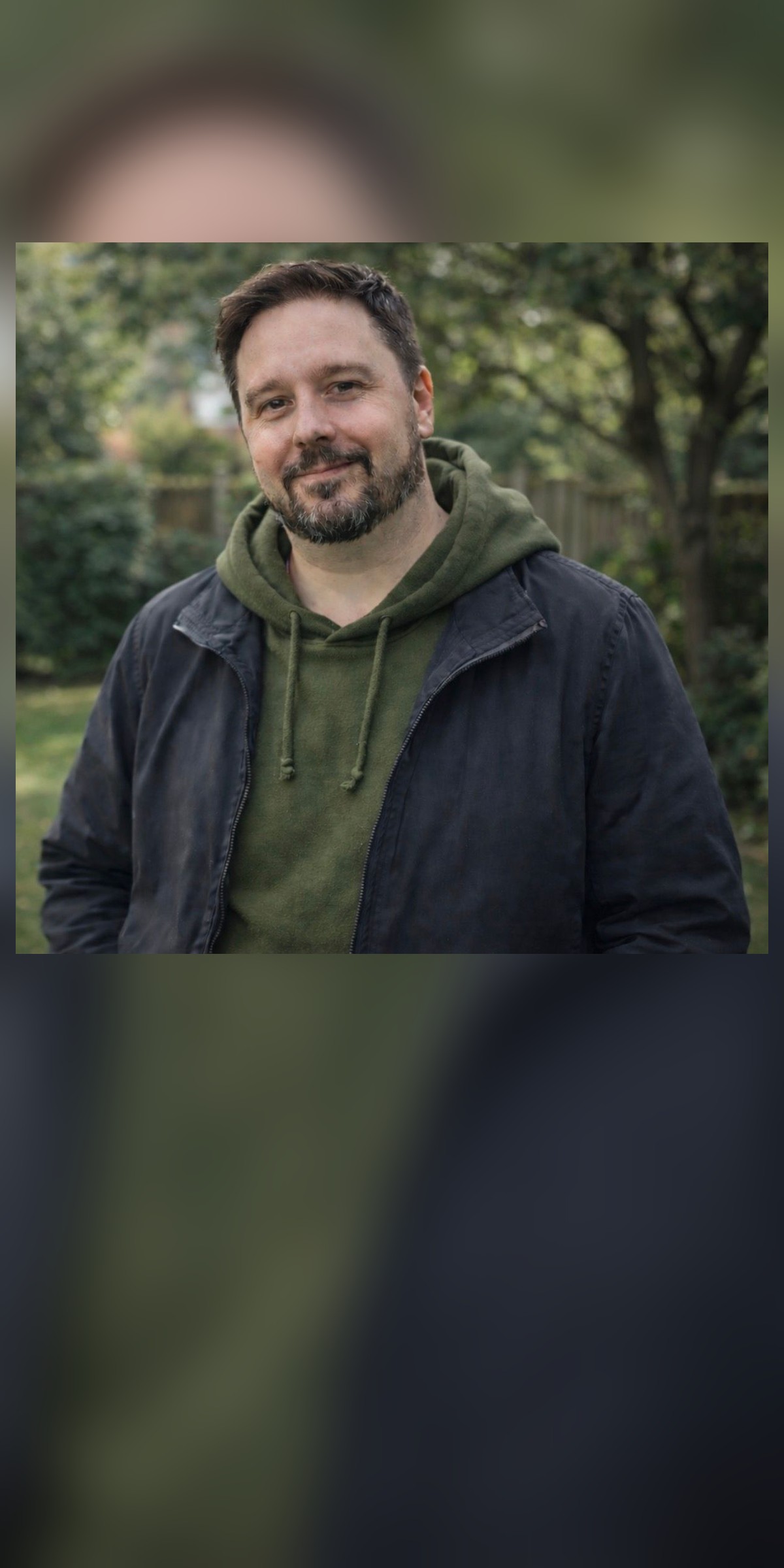
Ricky Sussams is the founder of VetStack Consulting, an independent UK veterinary technology consultancy and Co-Host of UNVETTED. He came up through practice as a practice manager and then group manager, before leading PMS rollouts across more than 800 sites at CVS, VetPartners and IVC Evidensia, and customer success at PetsApp and Lupa. VetStack takes no referral fees and resells nothing.
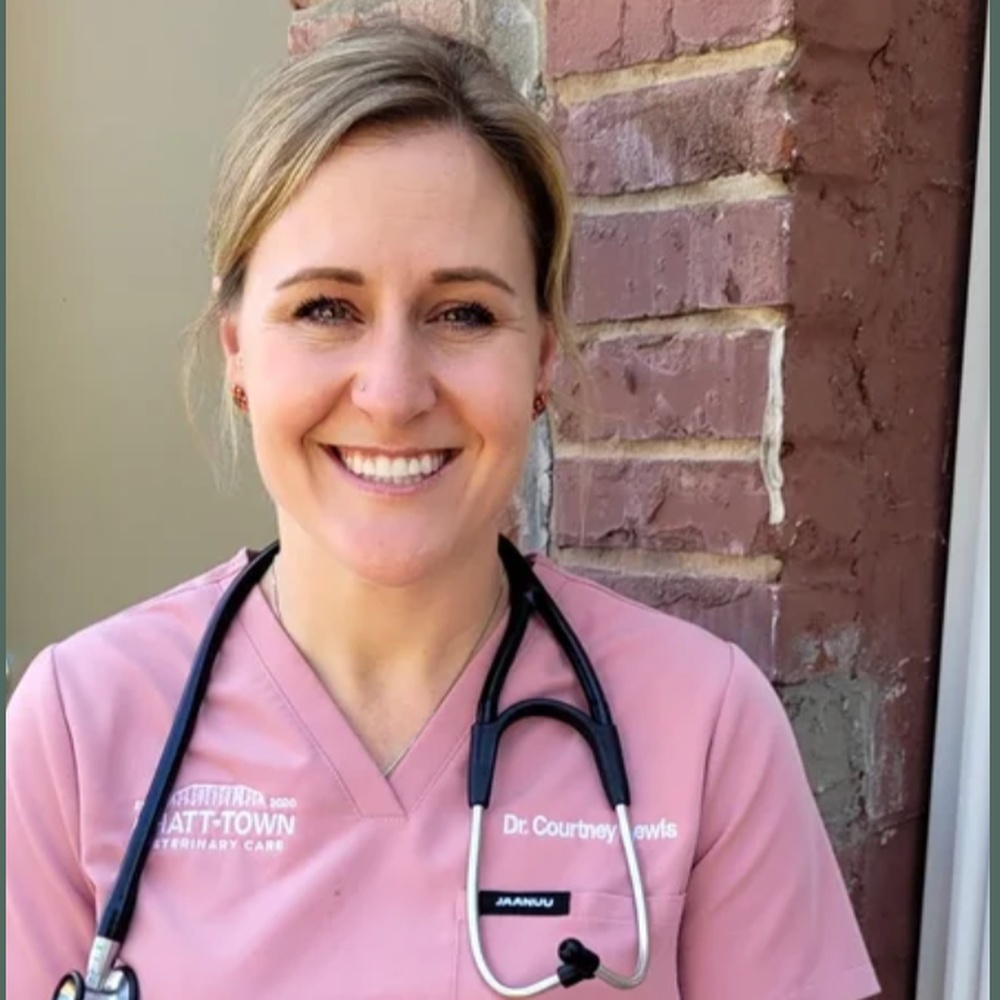
Courtney Lewis, DVM, is the founder of Chatt-Town Veterinary Care, Chattanooga’s first open-concept veterinary hospital. After more than 20 years in veterinary medicine and years working across general practice, emergency medicine, and relief, she built the kind of practice she couldn’t find: transparent, collaborative, high-quality, and designed around pets, clients, and the veterinary team.
Show notesEpisode details, chapters & links
In this episode of *Unvetted*, Brendan and Ricky sit down with Dr. Courtney Lewis, founder of Chatt-Town Veterinary Care, to talk about building a different kind of veterinary practice.
From open-concept treatment spaces and clients watching surgery to honest conversations about pricing, Courtney shares what she's learned about trust, transparency, and challenging traditional approaches to veterinary medicine.
The conversation also gets into leadership, corporate veterinary medicine, mentorship, the realities of opening a practice, and why she'd do it all again despite the challenges.
Just good conversations with interesting people.
TranscriptRead the complete conversation
===
00:00] We want honest conversations about the veterinary profession, the technology, the operations, the decisions that actually shape how practices run, and we'll talk about what's working, what isn't, and what people usually only say once the recording stops
Hey there. Welcome to Unvetted. Today we have our guest, Dr. Courtney Lewis. Uh, Courtney spent tons of years inside of other people's hospitals, including relief shifts, again, across Chattanooga and other places in Tennessee, then built her own practice around what she thought care should look like. Uh- so a quick intro, uh, outside of that is Courtney and I met during leadership development courses at Mission Veterinary Partners. Um, now she runs her practice, uh, which uses software, so the company I founded. Um, so that, that disclaimer out of the way, Ricky, would you like to kick it off with a question?
I would. But I, I love the way you navigated not saying [00:01:00] your company's name on the podcast
Hmm. Well, we're not supposed to plug. That's our commitment. That's my commitment. I don't know.
That's your commitment. First
allowed to say it?
you getting on with Paul for sex, Courtney?
it. It, it has been a very, very good system over time. I, the, at this point, uh, any person that I talk to about practice management system, I show them all the things that it does, and they, they're absolutely amazed that one system does all of the things that they need to do.
I think there's a lot of systems that grab one thing, and then you have to get another system and another system to pair stuff together. Um, but just as, in my job, in my staff's jobs, this definitely simplifies a lot of what they need to do and have to do. Um, and then from my client side, I just, I was, um, saw a friend last night, and she's like, "It's so nice.
I get all these discharge instructions. Like, they're so professional." And she was saying from her s- perspective too, that it's a really nice system to be able to interact with. Online scheduling is very easy. Um, a lot of our appointments schedule by online, so it's nice to have that [00:02:00] open after hours so that they can book into that.
Um, and we just have so much customization with it. I, I love it.
Oh, it's, I, I know I've made Brendan feel quite uncomfortable because he did say this was designed n-
I love it.
him, but
Mm-hmm.
be
I'm going to.
space for the community to talk
Yeah
we wanna talk about. Uh, however, from my own personal background, it delights me to hear people talking nicely about their practice management system.
Doesn't matter whether, whether it's Paul Foss or, or somebody else.
Yeah
uh, it makes me happy because I think so many people look at the negatives, uh, of software and, and don't celebrate everything that it empowers people to do when you're using decent software. Anyway, let's come away from that.
Absolutely.
I really want to dive straight on into the transparency side.
The bit that, um, gets me is the fact that you have a glass window for your surgery so that clients, [00:03:00] um, can, can witness the, the procedures. That is both terrifying, I think for a lot of vets that may be watching
Yeah, yeah
I mean, what a way to show value to a client about, uh, what they're actually paying for when they get to see just, uh, almost that, not almost, that it is better human health. Uh, and that, that, that animal has got so, so much care and so much attention that, to be honest, you don't get in human health, I don't think. But me about it, please. Like, do people use it? Uh, what's going on?
We-- It's interesting 'cause on all of our social media posts, it's all the veterinary people that say, "Oh, that's horrible." And you get all of the clients that say, "That's amazing." Um, and I think as vets we've been, uh, just in the field in general, we don't like change, and so any kind of change we're gonna question it.
04:00] open concept in an, in an outside practice, it changed the way I felt about it 'cause I did have that hesitation of, oof, I don't know if that's gonna be good for me, for my staff, for my clients. Um, but then experiencing it, it was so different that people appreciate and respect it much more, and you are ac- uh, very right on the fact that it adds value to what you're doing.
As much as we go through, like training on like how to educate people and how to show people what we're doing, like the value of physically seeing something is worth so much. Um, and I... Like this morning I had an ultrasound that I did in the room, and I showed the owner, like, "There's a liver mass, and this is what we need to do."
And they're like, "Oh, I see it. It's right there." Um, or like drawing blood in the room with the owners, they're able to be present with their animals. Like, there's so many times where I've had animals scratch and hiss and not let you draw blood, but with the owners we're able to do it, and it's vice versa.
I mean, there's definitely some animals we have to bring away from them, and the owners understand that. But the surgery-wise, like my staff have been more uncomfortable [00:05:00] with it. I'm like, "Eh, it's fine." Like, but that's also me. Like I just, I don't, I don't mind. I'm a very
You're just like Kitty Magic-ing in front of clients, like
Not, not really.
Okay,
Stop it!
Good.
No, we've-- I, I think that also too it's elevated our quality of care as well 'cause I want people to see what we do and why we do it, and I think it also has people appreciate, like, why we ask them to give, like, your pre-meds prior to coming in. Like, it's gonna make your animal much more relaxed, and it's gonna make us more relaxed when we need to place a catheter, and then they're sitting and watching, and they're like, "Oh my gosh, I didn't realize you guys do that."
And then when we intubate, you know, people are always so shocked by that. Um, with a physical surgery, watching it, I've... My, my, all of my other staff that's outside the suite, I'm like, "You guys need to watch them and make sure they're not, like, turning gray." Like, make sure they're doing okay. Um, but people like it.
They've, they've enjoyed it. We had a human doctor watch his dog get neutered, and he was absolutely floored, and he said that, you know, the quality of care that we were giving was equivocal to what they-- he would see on the emergency side. And I'm like, "That's, that's, that's a good standard to, to [00:06:00] care for."
We wanna make sure that we're doing the highest quality medicine that we can while also being affordable for owners, which is something I've really driven to keep in my mission of what I'm doing.
And Courtney, that's not the only place where you're different and transparent, right? Your, your treatment areas, uh, I know you have a dedicated euthanasia and, and end-of-life room, but can you tell us more about how you've experienced the treatment space being open?
Yeah. Um, so when you walk into our hospital, it's a really old building, so there's like a, a side that the reception's on when you walk in, and then there's another side that has like a, a, a archway, a brick archway that goes into the exams on the right, and then the treatment's just on the left. But through that archway, you can see through the entire treatment when you walk into our hospital.
And so immediately when you walk in, you've got reception, but you can see the actual back space of your hospital. Um, and when people walk in, we all, you know, we say, "Hi," and it's, it's more of a, like a, a friendly environment. It's been important for me to make sure the culture for everybody is that we're all very nice to each other, we all [00:07:00] support each other.
Um, and then all of our exams, um, they can either be done in the actual physical treatment room, and we'll do that for, like, anything that comes in usually for a sick issue, we usually just do it straight in the treatment room because there's anything that we need possible to do our diagnostics or our treatments are available.
Um, but, like, cats we'll put into a room. We don't like to do those out in open if we don't have to. Um, but the exam rooms are glass front, um, and so when they are in the room, they still can look out into our treatment and see us within treatment 'cause that's where we hang out for the majority of the day.
We do have two rooms that are a little bit more of like your traditional room. One is like the true, like, euthanasia room. It's got a separate entrance and exit, and then it also has the one that goes into kind of a n- nook around that goes back into our treatment area. Um, but then we have another that's just like a regular exam room.
You just can't see into treatment, so if people don't want to be part of anything that they don't have to. It's more of just allowing people to make the decision of how they want their animal to be cared for, and everybody's so different in what they want. [00:08:00] Some people wanna be present, some don't. We just have it in our client paperwork and asking them questions, and as we go through seeing a first client or a first patient, we ask them, you know, their preference on being present or not.
And then whenever I talk about surgery, I always talk about their ability to be present or not, and then at the end I'm saying, "No judgment. Like, whatever you want, whatever makes your medicine care for your animal the best that you could see, do that. I don't, I don't have any preference for what you do.
It's just for what you would like with your own animal." People appreciate it. I think it's... They have a ability to make a decision, and I think that having control over something is sometimes what people need. They wanna walk in and feel like they have a little bit of control of what happens next. And, and even though, like, you're in a vet hospital and, like, we, we control your, your appointment, they still feel like they have ability to control what they do and don't wanna do.
Uh, I, like that. Um, the, the, the control does resonate with me. Uh, I have to admit though, um, got four cats, and I've watched [00:09:00] many surgeries, PIOs, uh, even eye nucleations. Uh, it- that was actually my first, uh, my, my first practice man- uh, sorry, my first clinical director, I walked in on day number one to be a practice manager, that was the first procedure she made me watch.
That's a rough one too.
Yeah, and I
Feel like a neuter
she made me research it the day before so that I understood what transpalpebral and cha- transconjunctival eye nucleations were, and then I had to tell her which one she was doing when I was watching
Holy cow!
Uh, I wouldn't be able to tell you it now.
That was, that was, uh, two decades ago. But, um, the fact that I still remember the words is quite incredible.
Yeah, yeah.
But there's no way I could watch my cats go, go, uh, into surgery. Uh, I
Yeah.
I couldn't do it.
Yeah.
it.
There's a good amount of-
the choice is quite nice. Well, one thing I meant to ask you is, uh, you mentioned about the ultrasound.
10:00] or, or WhatsApp or whatever, uh, do you send the X-rays? So people are paying for the plates, do you then send them a copy of the X-rays so that they've got that to keep?
We, I mean, it's attached in with our record system, um, so that uploads into the actual physical record. All of our ultrasound, um, uploads straight into Pathos as well, which is nice, so we can always refer to those just through the actual record system. Um, if owners ask for them, I will send them. I haven't, I haven't jumped to sending them to people 'cause most people, you show them the X-ray and they're like, "Oh, that's the heart," and you're like, "That's the stomach.
That's not, that's not the heart." So I think sometimes with, with the images when we show people stuff, they don't always, they don't always know exactly what they're looking for. But if they ask for it, they can have them. I mean, I think legally they own them, right? I'm not sure the le- legality specifically behind
I,
And, and,
gonna venture down that one.
it.
no
and if I'm not mistaken, there is a share button within your platform, so, uh, for those. But,
That's for Heather.
so basically I, I, I wanna continue [00:11:00] on one more part of the open concept part. Um, what, what happened because a client could actually see their pet's care and what would have hap- wouldn't have happened in a traditional hospital?
Like I can imagine for me, um, and specifically as we've been doing these migrations, I've been seeing forms from all different types of hospitals, and for me, one that's transparent gives me the choice I see as adding more value, because I, I don't feel like you're gonna rob me blind, right, from somebody who's opaque.
So can you go into that a little bit and have any examples?
Yeah. Um, we will get a lot of clients that come in that previously have not done parts of their medical care and, and preventative care, um, approving to do it just because we, we take the time to talk to them too. So in an open concept aspect, like our communication is all very close up front and they can be present through a lot of it.
So I have honestly a lot more time to be able to be with that owner. Um, so they get more time. But them seeing exactly what I'm seeing has [00:12:00] improved... I don't wanna call it like compliance, but like if, if I give you a medical suggestion that I think is the right thing, they trust me that I'm, I'm giving them the right answer in, in the right direction.
Um, I... Having, having trust with an owner is hard to build, and I think being open, um, in a, at a large area where you have like more presence with the staff and the interaction with the staff just allows people to just feel more comfortable being around them. But we're also just a very like goofy crew in general, and we laugh a lot and enjoy spending time, you know, being silly.
So I think they also kind of jump in with that as well, and it's, it's, it's made clients a lot more comfortable, and to me, that's what's important. Like we had an appointment this morning, she'd been at a hospital for 15 years, and she just hated that her cat was gone from her, and we were doing everything in the room, and she's like, "Oh, I love this.
Like I just can't, I can't imagine this not being a thing in the future for me." And I'm like, "Yeah, I, I agree." But also I think it's just 'cause people see it, and they, their animal gets taken away, [00:13:00] and they always, they always presume the worst thing. Like they'll hear... They'll have a cat, and they'll hear a dog bark, and they're like, "That's my cat."
And you're like, "That's a, that's a dog actually. But no, that's not your cat." But that's what they think. They think immediately it's their animal that is in distress, which rightfully so. I mean, sometimes they are, and sometimes they're not being the best when what we need to do, we need to do. Um, but they're able to see.
And, and also too, like I despise doing nail trims 'cause I always get my buns kicked. Like every single animal will always try to kick your buns when you're trying to trim their nails, and I will do it in front of the owners, and they're like, "You're right. We should probably come back with drugs." I'm like, "Mm-hmm.
Mm-hmm. I'm ti- I'm tired of getting my buns kicked by animals trimming nails."
And that's one of the things that when I was a, a, a practice manager, I tried to explain to teams. I'm like,
kicked?
trust."
You don't?
so no, no, from, from the teams doing the nail trims and stuff, by
Stop
in public, like everybody's not my baby, right? But when they see it themselves, like Courtney was mentioning. So, uh, going in another direction, there's always two other things [00:14:00] that I feel like teams struggle with with open concept, and that's, techs hate taking blood in front of the client because they're not used to it, and number two, money conversation. How do you guys challenge that?
Um, I-- so before starting this practice doing a lot of relief, I did a lot of emergency, and I think emergency prepped me better for that communication 'cause emergency's incredibly expensive no matter which way you cut it. Um, the financial communication, my staff members are very good at, at talking with clients.
One of them in specific, she's, um, our lead tech, and she has incredible client communication where she just tries to level with them and talk to them very kindly and, like, as a friend more of. Um, with the financial aspect, um, all of our, um, patients, we make a treatment plan, and with Pathos, we have the ability to present to client.
Um, and so we walk through, and we show them exactly what we wanna do and why we wanna do it. Um, and then if they don't wanna do it, we say, "Okay, that's okay. You know, [00:15:00] no judgment. We'll, you know, defer this to another time if it's something you're interested in." Um, and so they have ability to see the finances right there, and I think that's something that's really important.
I think we forget that people want to know what things cost, and they don't... They're uncertain. And when they come to pick up their animal, and they get a... I just had a lady today. She had her dog neutered, and she's like, "It was eight hundred dollars, and had I known that in the beginning, I wouldn't have done it there."
And it's, that's fair. You-- People wanna have that transparency on cost as well. And so just being very transparent for your medicine, your communication, and finances, and just everything that you can do, an owner appreciates that more. And they're gonna wanna go to a vet that says, "Hey, it's gonna be kind of expensive.
It's gonna be this," and they're like, "Eh, that's fine. Go ahead." Or maybe it is expensive, and they can, you know, plan in future for it. I-- It's-- We're, we're not so good at talking about money in veterinary medicine, and I think we tend to wanna kind of avoid the subject. But the more you talk about it, and especially ahead of before you do it 'cause then once you actually do that, and they s- they see the value of it, they're like, "Oh, yeah," and they swipe their card, and they're fine.
16:00] uncomfortable no matter which way you, you cut it in veterinary medicine. We're just-- We're not great at, um, talking about money
Double down on that one. Uh, I, I would totally agree, and as I think most vets would definitely agree with you too. Um, do you think, do you think the, the way in which you, um... Oh, Brent has disappeared. I'm sure he'll be back. There he is. Uh, do you think the way in which you communicate that to clients is the differentiator?
Like, uh, you seem really confident, and you also seem quite proud. Uh, and I'm wondering if is just a natural thing that's coming across from you, that you are really confident when you deliver your pricing and, uh, rather than what I normally hear, which is kind of a lot of maybes, perhapses, uh, you know, wishy-washy words
Yeah. I think the, the biggest thing that has been a benefit for me talking about prices is that I tell them there are many different ways that we can go about figuring this out, diagnosing and treating. How we go about [00:17:00] it is entirely up to you, and I tell them I'm gonna give them all different pathways of ways that we can get towards that answer.
Some owners, you get the glass eye, and then you go, "Okay, well, let's go this way," and you kind of give them a direction. Um, but most people appreciate that, like, you know, these are the things that we can do. Um, and I think the hard part too is, like, pairing that with ideal medicine. When we want to do ideal medicine, not everybody knows why and what that, what the value is to that.
Um, and, and again, communication is really, really important in this. Like, "I am doing this because I am looking for this, and this is what's gonna change what I do." And if there's a diagnostic that I want to do that's gonna change what I do, I tell them, and I always tell people, "I will only do a diagnostic that changes what I do.
I'm not gonna do something that doesn't change the plan." Like, yes, it's good information to do X, Y, or Z, but I'm not gonna suggest we do different things if it doesn't change what I do. Um, and then I think the hard part too is, like, you get a lot of different owners that you judge by when you see them, and so you always have to remember to not do that.
18:00] give everybody every option. And sometimes very quickly they tell you, like, "We're not doing that." And you're like, "Okay, cool. Here's your Amoxicillin. See you later." So...
Yeah. Um Pricing is, is, is always, uh, and, and judging clients is, is a big thing, 'cause I think, uh, I'm, I'm guilty of it. Now, I might not be talking about pet owners as my clients, but I am absolutely guilty of it, and I have to keep remembering this unconditional positive regard of treating everybody, uh, the same.
Yeah
it, it's, it's, it's, it's difficult. Um,
Yeah
are some people that you come in where you think, you're not gonna be able to afford this," and yet they will, they will plow everything they've got
Yeah,
their,
I know
little four, four-legged furry friend.
Yeah.
um,
And I, I definitely am that person.
though.
Yeah, I tr- I try, I try to. Um, there's some people though that, like, they'll even want to [00:19:00] do more, and I'm like, "You can't... Like, this is not something that is affordable right now. Like, is this really something that will be beneficial to you as well?" Like, I don't...
I tell people, like, "I don't want you going into debt over this. If this is gonna completely change your lifestyle because of this, like, we need to figure out a better way to do this." But I think that then creates trust. Like, there's a lot of, there's a lot of clients that I've kept over the years because, "Okay, maybe we can't do it today, but here's our plan for tomorrow," and then they feel that they at least get the time.
And it's so important to give every client that time, even if you know, like there's plenty you walk into and you're like, "It's just gonna be my exam that I gain from this," but it's education, and then maybe that client comes back later and says, "You know what? We talked about that. I wanna do that." Or they tell somebody else, and they feel that they were heard, and that's our job, is we need to just verbally educate people and give them time.
And then the other aspect with Pothos is that after my visit, because everything is AI recorded, everything that I blab to the owner, I tell them, it gets put in discharge notes, and I send it to them, and then they call us back with any questions or have any [00:20:00] follow-up to it. I think having that in written form too is really important for those people.
We don't do that enough in medicine, give them discharge instructions, and it has been a, a very, a very good value for after appointments, 'cause I think they say you remember, like, 8% of what you get talked to about. It's really low.
Uh, uh, just from my own health journey, I can tell you that I, I really wish, really wish they'd used something like Porporus
Yeah. Yeah
I would've, I would've enjoyed, um, not enjoyed, I'd have benefited from coming away from the consultations, the surgery, having that information, what we spoke about, actually recorded, uh, and given to me. Um, because you're right, I, I literally remember 8%, and it was the 8% was the most useless parts that I
Yeah, yeah.
did not remember the important bits, uh, that I later relied upon had to phone up to go get again.
Yeah[00:21:00]
so wow. Um, if I may, you've gone a very You've gone a unique direction. I don't know many people that are doing, uh, quite the transparency route that you are.
But having started that journey, what's the one thing that you're sat there going, "Oh God, I wish I hadn't done that"?
Uh, oof. Nothing with how... Actually, I take that back. I wish I would have more open treatment space. I thought that there was gonna be more clients that would want to be in a room, and I honestly wish that I'd made more, like, nooks where there would be, like, a couch in a corner to hang out. Um, it's the working emergency that has that open concept.
There's so many people that are really paying attention to other things that are going on, and, and it's fun for them. It's like a educating experience for them. Um, but also too, like, when I'm late to my appointments, they're paying attention. They're like, "Oh, wow, that's cool. She's doing this." Um, so I wish I had it a little bit more open.
22:00] 2.0 development of this practice, that'll probably be my next direction.
Well, uh, and something interesting about your location too is you have a fenced in area. So technically speaking, if you wanted to, you could even do open concept visits
We did one. That's why I was late to this meeting. We were just doing one. There was a dog that whenever he would go into a vet, he would lose his lid and he would not be able to get examined. And I have done now two exams on this dog outdoors and been able to treat the problem that he's been presenting for years to his vet for.
They had to sedate every time and the owner's like, "It's cost expensive," and that such. Uh, the other thing that I wish I would have done differently is just not bought as many cool things as I thought I might need. I think working, working cool places, you're like, "Yeah, I really need that." And then you get into practice and you don't need that for everything.
So I think I, I, I think that's just the new, the new, the new vet, the new owner, um, that does that where, um, you, uh, overbuy unfortunately.
For sure. It's [00:23:00] easy. You're promised the world, right?
Yeah
to wanna buy it all
Yeah.
Yeah
I'm, I'm sat there. I'm exactly the same, by the way. I do overbuy. I'm like, "I've gotta do this, I've gotta do this." Where, uh, I started Vet Stack, I was the same. I spent so much money on stuff I really didn't need. Um, subscriptions to things I've barely ever used. Um, but you just get caught up in the moment and, and excited.
Uh, and the nice thing is that y- you've got all that experience with so many different emergency practices over, what was it, 20 years?
Ah, ten years. I, yeah, just had my ten-year, um, reunion this year
Oh, that, that's 10 years qualified though, isn't it?
Yes. Um, I've been, yeah
another 20, uh, another 10 on top of that, uh, working all different aspects of, of veterinary practice
aging myself, yeah, I've been doing it I think for 24 years I've been in the field
So you started when you were five [00:24:00] then, obviously.
In theory, yes, absolutely.
Yeah, that's fine. We'll go with that.
I, I think
So
a veterinarian, you have to, you have to be part of every single part of medicine. And with my staff members too, like if I ask them to do something, I'm like, "I've done that before, so I know that that sucks," and, you know, trying to have compassion with it. But yeah, it's, it's crazy how long I've been in the field.
When I l- I was adding up those numbers recently, I'm like, "Oh, that's, that's a lot of years."
So, so something I wanna ask too, 'cause I know that, you know, um, with Ving, we both met in corporate medicine. I know that there's certain things that are great and there's other things that weren't, is part of the reason why you decided to do this venture, which is a great thing. So my next question, um, obviously we met in leadership courses at Mission. What was one thing you learned there that you're still using today in your build or your team?
Ooh, what's that about? [00:25:00] Do you remember that?
in Leeds?
Do you... No, no, do you remember that? What's that about,
Yeah.
Like, when you have, when there's something that, like, kinda strikes you and you're like, "What was, like, what's that about?" Instead of reacting, like, thinking about it. Um, whenever there's something that I feel, like, tension with, I'm like, "Why did, why is this happening?
I'm gonna step back really quick and think about this before I react."
That was the Jerry sticker, right?
mm-hmm, it was the Jerry sticker.
I see
Yeah. I ha- I still have it on my coffee cup, and it's, it's recently starting to kind of peel off the edge of it. I'm like, "No, I need another what's that about." Um, that and then, I mean, I think the open communication.
I think just being more vulnerable and very transparent with my staff members. Like, last week was not a easy week, and by the end of the week I sat everybody down and I just was very honest to them. Like, "I'm really sorry. I'm going through a lot. This is just very different than I expected and I, I don't know how to manage a team, and I'm sorry that I may not be the best person all the time, but I'm trying my hardest.
26:00] as I would to you." Um, and I think it's our, our staff we're, we're very open to each other and we're very willing to say, "Hey, is this what we should be doing?" Or, "Maybe that's not the best way to say that." Um, so it's what's that about has been probably the, the biggest, the biggest thing that has helped me in just growth.
And it's... Especially when I'm... I'm a fiery person, as you can tell. I try to, like, not react all the time, but I'm definitely a very fiery person.
Cool. Oh yeah. on, Berkey. Sorry
I was just gonna say hats off to you for, being vulnerable with your team. I don't know many people, um, that like... And maybe you don't like it, so maybe that's the, not the right word. I don't know many people that are prepared to be that vulnerable to, uh, to have open and honest feedback coming in from the team where they feel safe enough to provide that.
Whoa!
do you, do you provide that safe environment [00:27:00] where they do feel to tell you things that are gonna be difficult to hear?
I am the first person to say something vulnerable or like to talk about a mistake or to... I think putting yourself as the example is a very easy way to start that communication, uh, because when you start talking about yourself as, "Hey, I'm not doing the best here. I was in a bad mood," or, "I said something that was maybe not the best.
I'm really sorry," I think people start also realizing that they can do that too. Um, and then the other part is that if I have staff that's saying something bad about themself, I'm like, "Don't say that about my friend." Like, "I wouldn't say that about my friend. Don't say that about my friend." Um, and so I think it's really supported like a good culture because we, we make sure that we treat each other with respect, but also ourselves with respect, and that's not easy in this field.
We're so hard on ourselves.
It is hard in this field. And, like, one of the biggest things is I feel like when you do that and you show vulnerability, it doesn't just build trust, but it shows you you're human, [00:28:00] right? And when we all look at each other and remember, oh, I can actually relate to something like that, I've been there before, I think it makes everything better.
And, and that's the one thing that, I wanna applaud you for, where I, I have run into practices that don't have that mentality. And, um, the one thing that like that that I always used to tell people is assume good intent, right? always think that something's done to be mean
Yeah. I, I think the
positive intent behind everything
Yeah, you have to. You have to. And it- and then if you don't, you have to ask yourself, what's that about, right? Like, why, why don't I think that?
Yeah, the--
I, I'm,
Sorry.
thinking that
My
You two have done it for me. I'm just gonna, what's that about?
Yeah. Yeah, it's, it's good
the one thing, one thing I can't tolerate, and Courtney I bet you can't either, is weaponized incompetence.
Oh, wow! I, I [00:29:00] thought we weren't going political here
I don't know if that's political more so that there's, there's team members who don't wanna do their job, right? So, like, we do have, we have to be able to cut... Like, think about it. We have s- a, a dog that comes in and their tail is al- is all jacked up and it's going gangrene. You cut off the tail, the dead weight, right?
So that the, the, the whole of the organism can live, and I think that that's something we have to be more comfortable with. I've made that mistake as a practice manager. I've made that mistake as a business owner, keeping somebody too long that should not have been there. Um, so protecting your culture obviously goes, goes just as far as where Courtney was going, but further, right? And, and it's hard to build those teams where you don't have those people who are just coat ri- coat ri- you know, tail, coattailing the rest of your team
You can have one bad bug that ruins it. And doing relief, I see it all the time. Like, you got that one person that walks in and they're, they're mean and they're... They say something short, and I'm the person that responds back to them. Like, "What did I do to you?" Like, "Why are you saying that to [00:30:00] me? What did I do wrong?"
And half the time they're like, they get caught off guard 'cause nobody's ever called them out before. But it's the, the culture of veterinary medicine and, like, all of my social media posts are, like, classic about this. Like, I post something about what I'm doing and the value of it and how cool it is, and I get, like, 90% of the veterinary comments are like, "Ew, that's horrible."
Like, "Why are you doing that?" Like, "I would never do that." There was one that this person was like, "When you have surgery and you're doing CPR on this animal and you have an owner watching, that's horrible." And I responded, I was like, "Well, in the last 10 years of being a veterinarian, I've had two animals die under anesthesia and had to perform CPR.
That being said, I'm okay with an owner, in the rare chance that they have to be there, watching that because they understand the value of it."
Human med
It is.
you'll see it,
Yeah
loved one getting CPR if they're... Well, not in hospice, but i- in the hospital in general, right? So I mean, it's, it's common in human med. Why is it different for animals?
Yeah, yeah. And in ER doing CPR, everybody... Some people are uncomfortable and so they turn away, and good for them. But some people, they're, they [00:31:00] watch, and y- you walk away and, like, you have to shake it off and walk away and go and do something else, and immediately they respect you. And so I think the, in the veterinary community, we could do a lot better about supporting each other.
Um, you know, not talking poorly about people, realizing that everybody has a goal and a mission to be better in this field, and just supporting each other through that. And I don't allow any of that in this practice. I'm not, I'm not here to take people down. I'm also not here to take clients down. Like, I despise when people walk out of a room and they just talk poorly about a client.
I'm like, "Who do you, how do you know them? Like, what, what would make you think that that's a good thing to say about somebody?"
They're having a bad day. There's plenty of... Well, again, what's that about?
Yeah
back to your point about the community supporting each other, I mean, I'm, I'm not gonna... I don't know too much about the particulars, but obviously we had a very well-known organization that the fallout's all over social media within the vet community, all of this stuff, right? And, and I'm thinking to myself, I'm like, is so far away from the mission that it was made for. Why are we arguing about this instead of actually being at the i- initial presence and the, the reason it [00:32:00] exists," right? And I, I do believe that whether you're a, a doctor, a hospital manager, a, a VA, a, a tech, that we're all in this together.
And that's the one thing that I have to say in human healthcare was superior, was the team. We had our quirks and we would get into problems, but when it got down to doing the work, were united. We were united as a team. And, uh, human health does a very good job at that.
Yeah.
but
If you have to
the vet community needs to not change to be...
I don't want you to be human med. I don't want any of that. But we can learn from other industries, and we can learn by doing good things like being honest with your team members, being human, realizing, yes, in the medical way I'm above you, but we're still humans and I see you as a, as an equal, right?
Absolutely. I call it the doctor mentality. It's like the Dr., the Dr. in front of my name does not make me any bit better than anybody else. We are all the same person. We all, we all go in the same toilet, we all, you know, walk the same walk [00:33:00] in life. Yeah. It's... And I, I think that, like, it's like the ego. Ego is very ugly, and it ruins things.
And it's hard. I think, like, the, the difference between new practices that are arising, there's a, there's a huge bump right now in all private practices that are trying to just change how veterinary medicine is done, and how we support each other, and how we treat each other, and clients, and that such.
And it's, it's, it's evolved a lot around this right now, and I don't, I don't... I'm not gonna speculate as to why it's been otherwise in medicine. But I, I do appreciate that a lot of, a lot of people are seeing that, and they're trying to move in that direction. There's a lot of companies that put that into their culture.
Um, I like it. I think it's, it's necessary. We have to... We- Just because we've done something one way for so long does not mean that we need to keep doing that. We have to ask ourselves, "If I'm not enjoying this, why keep doing it," right? There has to be a better way to do stuff
The, the bit about egos is, um, yeah, [00:34:00] that's, is a very valid point. Uh, and the thing is, this isn't, this isn't a, a veterinary thing. This is across every single industry that I've ever, worked in or been part of. Um, I may have spent the last 20 years, but I've done other stuff out before that. And so, yeah, just being vulnerable back is, is... Ego's a really difficult thing, and it comes across as I'm superior to you. Uh, I had an ego problem, um, and it was born out of insecurity actually more than anything. Um,
do
taken me a long time to understand that, uh, a- and even recognize it. It took me quite a while to recognize it. It took me much longer to, um, to get rid of it. Uh, but mine was, mine was down to insecurity of not feeling like I was good enough and having to, having to [00:35:00] essentially prove it or, or tell people or, or go out of my way to show that I have done something b- brilliant or, or to the best of my ability. Um, uh, and as soon as I got rid of it, things started working.
So, um, I,
Enes
people as well, why they are the way they are and, and how you can help them 'cause not always what's coming across that's the problem
you know, and you know what's fascinating about this topic is I actually yesterday released a LinkedIn article about my own journey on this, right? Um, a- and the biggest distinction that I've come to really appreciate, and this is one of the ones I highlight in, in the article, is the difference between being right and getting things right. That's ego versus not having ego, right? Um, and it doesn't mean that you have to abandon your, your convictions. There's, there's ... I, I feel like, uh, not everything's a zero-sum game, and people make them into zero-sum games.
Yeah. Yeah.
Yeah
uh, your perfe-- the perfectionist [00:36:00] mentality I think drives a lot of that too, right? Like, we all wanna be right, and in like a open concept medicine, like, we're gonna have things go wrong, right? Like, things are not gonna always be perfect. We're gonna h- we're gonna run into issues, and knowing that that's okay, and I think that we think that people want to see us as perfect, but we can be people.
Um, you know, there's plenty of times where, you know, the tech's miss on the blood draw or, you know, the eye miss, right? Like, I mean, it happens. It's part of, it's part of medicine. I poke a vaccine, and it goes intra fluff, and I'm like, "Bang, need to go get another one." But we are okay to be people in front of people, and I think people respect that when you are more human around them and don't expect perfectionism.
But the ego part is so hard 'cause it's like a drive between, like, being perfect and, like, showing people that you have that and, like, the s- it's a balance, and it takes, takes a lot of humility. I mean, I've never been this person before. I think that it's, it's a growth through life, right? And that's, that's one thing I have to keep telling myself.
37:00] "Man, I'm, I'm so, like, upset that I'm not, like, I'm not perfect at managing this practice." And I'm like, "Hold please, Courtney. Um, so you've been open for three months now, and you're gonna shoot yourself in the foot and say you're not doing it right 'cause you've only been doing it for three months?
Like, when you were a veterinarian three months in, did you do everything perfect?" Absolutely not. What makes it better? Being vulnerable and telling people, "Hey, I'm sorry I, I didn't do that right." And it happens in medicine, too, right? We misdiagnose. We do something we don't mean to. You just have to stop and say, "Oh, like, I'm not perfect.
It's okay that I'm not perfect, and I'm just gonna let that person know, like, this was the issue and this is how we're gonna fix it."
and even outside VetMed, I mean, quite honestly, I'm pretty sure I had a conversation with, uh, Ricky yesterday about that too, right? And th- that's the thing is it's any new, uh, adventure, any new entrepreneur. And again, like we were talking before we started recording, it's not for the faint of heart, for sure
No. Yeah. This, this last like six months have been so uncomfortable. Like, I've been doing this now for dr- dr- going on this journey for about two years, but like this last six months have been the most uncomfortable time because you don't know [00:38:00] what you're doing, you're stepping into something and you're like, "We're gonna do it.
It's gonna happen. It's gonna be really uncomfortable, and I'm probably gonna say things that I shouldn't, and I'm gonna do things wrong, but you just figure it out."
It's, it's, it's getting out of your own way, isn't it?
Yeah
It's literally getting out of your own way so that you can do brilliant things. And as soon as you can do that, things just ... You, you start opening, or, or doors start opening for you.
Yeah. And delegate too. Like give things to people. Like, you do not need to run your mission. Like, have your team help you along that way. Like, you should not be doing every single thing. My, um, my dad had passed away at a really kind of random time. Like, we didn't know it was gonna happen. It happened. In his business, he ran it with h- him running it.
And so when he left, it was really difficult for us as our family to pick up that business and carry forward. So in my business, not that I like know that I'm gonna die, but you know, there's gonna be a day where I wanna take a vacation and I want my staff to know that they can run it [00:39:00] without me and I don't need to be here.
Yeah, so yeah.
Touch wood.
Yeah, yeah.
Yeah.
Yeah
Really stretching that remote VCPR.
Yeah. Yeah. Yeah. Yeah
So you're only three months in?
Yep.
Wow.
Yep
It's such an exciting, nerve-wracking time for you then
Yeah, it's, it is horrifying. It, uh, it took a lot more mentally and, and financially and physically from me than I thought it ever was going to, but I couldn't imagine doing anything else. Like, I was going around from practice to practice, and the, the last practice that I was at, I, I stopped hard and I said, "I gotta figure something out."
You know? I, I can't keep jumping from one to the next. And every practice that I was in, um, Brendan knows this very well, we talked a lot about it, like, there's those things that you run into in a practice and you're like, "Why, why are we doing it like this? Why don't we think this direction or go in this direction?"
40:00] go in, just go. Like, there's nothing stopping you from starting your, your clinic or starting whatever dream that you wanna do outside of yourself, and life will not be put in front of you. You have to just keep diving and keep doing it, and you're gonna go through really uncomfortable times.
And I'm like two and a half million in debt right now, but, like, it's gonna, it's gonna eventually get there, right? I'll eventually be, you know, on- living the dream and happy. But I couldn't imagine working for somebody else anymore. Like, I could not. The corporate side, the, just the control over everything
And, and if you don't feel, feel comfortable sharing this, please don't. But I know that there was one specific event with a mentee that triggered you to say, "Okay, I want different for those after me." Would you mind
Yeah.
about that?
Yeah. Yeah. Are you talking about the one that got let go? Yeah. I had, um, so I was a mentor for a new grad, and sh- I, my heart was in this. I love mentoring. I love educating. I love mentoring. It's just part of, like, as a person, what I enjoy doing. Um, so I was her mentor for the group that I was in, [00:41:00] and they-- she was just a new grad.
I mean, they, they take time, they take support. Um, confidence is hard to grow, and, like, she was very young. Um, and they fired her without giving her very much time to adjust. And when she stepped into that practice, she told them, "I'm-- It's gonna take me a minute to learn. It's gonna take me a minute to grow, but, like, if you give me time, I can guarantee I'll get there."
And they didn't give her that time. Um, and, and the, the saddest part was when I, I got brought up for a meeting. They told me, and then I had to go discharge a patient, and then had to step back up, um, and be with her when they let her go. And I, oof, I, I have goosebumps. Like, I'm about to cry about it. It was, it was really, really sad.
And it, it was a, it was a, it was something that we don't need to be doing to, you know, our, our people in this field. We need to be supporting each other. And yes, things don't financially always make sense, but you have to, if you make a decision and a commitment of that sort, you have to follow through with it.
42:00] was, that was rough. That was hard. I-
the, the saddest thing about that is that everybody has that story. It's, it's-- is always slightly unique,
Yeah
but the really worrying and very sad thing is that everybody can recall something like that. uh, this, this chat's taken a bit of a negative turn, isn't it? I've, I, I'm thinking about conversations where I've been in and had to witness somebody, uh, being let go who I don't think deserved to be let go, and,
Yeah
I know pretty much everybody I've, I've worked with will have been in that similar situation, and it is, is heartbreaking.
Um, however, the really good news is that gonna put yourself in a position soon you get to decide whether you're gonna take on a mentor again to a new grad, potentially. Um, [00:43:00] and this time it's in your power and your control to, to help that person flourish. So
Yeah
what comes around... You know, yin yang. Um, I, I think you've got the, I think you've got the option there to bring some incredible vets up
Yeah. Yeah. We have a, uh, a first year vet student that's actually with us right now from the university. She's in her first year of vet school, and she's hanging out with us just on her fall break, and I, I, I love it. I think, you know, when you're learning through it, you just have to support people and give them, give them opportunity to make s- mistakes and then non-judgmentally help them.
And just like you, they're also three months in,
Yeah, yeah, literally.
right? So
Joke's on them.
great point. But it's a great point to be at, right? 'Cause you get to see a good foundation, a different type of practice,
Yeah
is, uh ... I wish, I wish that would be more common. And, and I wonder, I hope to wonder, and I'm gonna bring this [00:44:00] up, i- do you think it's a So obviously in human med, doctors are s- they're production, but they're not production, right? So, but in vet med it's a lot more clearly about the business in some organizations, right? And do you think it's a, uh, we're misaligned on really how we should view doctors? It shouldn't be about hoarding doctors, right? It should be more about, okay, are we offering the best care? Are we winning these clients for life, and repeat clients? But also, are we doing the right thing by the human being that is the doctor, right? Um, so I wonder if you guys, either one of you, have any thoughts on that, because I, I think it might just be that we have, specifically, I don't know if it is the same way in the UK, but in the US, that we just might have the wrong priorities for how we see veterinarians.
My first job taught me that medicine is not about money, that medicine is about medicine and the money will follow, and it was so true. [00:45:00] Um, I... When I first graduated, I was just on salary, and so I didn't, you know, have production or anything and I... He didn't want me on production for the first year or so just because of growing and trying to, you know, not have to worry about that.
Um, but what it ended up turning into was that I was allowed to put discounts on whatever I wanted to put discounts on, and he never would fault me for them. Um, 'cause you have owners that maybe are able to afford a certain amount, but you're like, "Yeah, it's good for this and to actually do this." And so then I learned that if I gave that person that grace and that time that they needed that grace, they would come back, and they would be much, much happier.
Um, and our jobs are not about money, and I think unfortunately, the corporate side has latched onto that, and they talk about, like, all of your, you know, your per visit, um, transaction cost and, you know, all the, all the, all the things that are associated with finances to a, to a business. But like, we are a business, and we have to make money, but when you focus more on the heart and the client and the medicine, it follows.
And I've never had a job where it's been the other way that's benefited me 'cause people hate it. Like, the, the [00:46:00] client we had today, she's like... I, I was upsell to disappointment, and I was talking to my staff member. I was like, "Do you think I should put, like, a note on her account that maybe we, we should just, like, slow down and educate?
Like, what do, what do we think we should put on that account to help that person next time?" And she's like, "Yeah, just say educate. Like, talk through education and why this is important." And then, you know, then in future they're gonna come back and not feel like they're being upsold. Like, it's, it's a hard business of, like, suggesting medicine because, yes, we are a business, and we have to financially support ourselves.
But it's also about just taking care of the animal and the owner and making sure that it's a good experience. Like, not everything makes money. And I think the corporate side too, like, they cut, like, ugh, MVP when they v- merge with SVP, right? They cut that whole sector of their, um, uh, uh, corporation that had to do with, like, leadership and caring and, and that side of it, and that's such a, that's such a fault to a, a corporate to lose that 'cause that's what's so important in growing and developing and, like, enjoying...
Also, in just en- enjoying our career. Like, I'd, I'd like to be happy in what I do and enjoy what I do, and there's certain, there's certain [00:47:00] things that don't make money that you have to do in medicine
And
Por pistol
perspective as
there is quite a public perception, certainly in the UK, I don't know what it's like in the US, but there is a public perception that vets make a lot of money. the reality is, uh, for every vet you can name that's driving around in a Porsche, I can name 100 that has a 2011 Ford Fiesta. Um, that probably doesn't translate to the US very well, so we'll go 2011 Honda Civic.
Yes,
over there?
yes
20, 20-year-old F-150, you know?
Yeah, we'll go with that then. Uh, F-150, I like F-150s though. But anyway, yes. So ve- vets aren't in it for the money. If they were, uh, they, they tend to get out of doing vet
Yeah
and, uh, they actually go and consult
But,
for tech companies, funny enough.
but, uh, well, yeah. Uh, so yeah, uh, it, it's a very different thing.
Vet- vets get in it for,
On [00:48:00] aide
And yeah, if you do the right things, the money follows. It's just not a lot, but
befo- so, so before we have the last question, the, the one thing I would like to add to that is I don't think that it's inherently bad what corporates did. I, I equate it to kind of, in a way, Tesla, right? Nobody was buying Teslas, uh, really in, in 2012, 2013. They were like, "Oh, it's niche. It's gonna go away.
It's never gonna be a thing," right? Now we look 10 years later, 12 years later onward, we've got a slew of electric car options, right? It's the same thing with corporate in a way, where they have brought up from a $90,000 vet salary to $125,000 vet salary. So I think there is some good that can come out of that.
It, it ... But there's a line where it becomes greed versus what's good for the profession, right? And good for the client. 'Cause vets should be able to live. They get an insane amount of student loan debt. Well, at least here they do. And, and that's the truth of it. Like, a daily compounding interest they have to pay off, and they should have a [00:49:00] livable wage where they don't have to be They should be able to go out and be business owners and, and all these other things, right? So I think there's some good that corporates can, can do in that sense, but it does cross over to a line where, okay, is thing, are things really getting less affordable over time? And unfortunately, in the States over the last five years, we've had this inflation crisis where I would say I think there's some numbers where it's 22% higher than it was five years ago, and some others are 40-something percent higher for pet, uh, care, right? Um, but I think, I think it's so nuanced
Things have just gotten so much more expensive no matter what you shape it. And I, I love when people are like, "Oh, the vet's so much more expensive." I'm like, "Yeah, but your groceries are, your car is, like, everything is."
Yeah, and my thing
biggest difference there is that I'm filling the car up every week. I'm buying groceries every week. I'm not, uh, putting my cat in for surgery every week. So I'm gonna notice that difference a lot more. And actually, i- in the UK, um, we've [00:50:00] now had, what's the Competition and Markets Authority, ha, oh, for the love of that, forcing transparency. But it isn't really forcing transparency from the, from the veterinary side. It's, it's forcing transparency across the whole thing, honestly, I, I think we've been fairly transparent. I think certainly independent practices have, uh, always tried to be transparent with pricing and options. Uh, I think this is more, um, sure some of the bigger groups are, are playing fairly as well, so
It's interesting. It's interesting practices there
Well, in the US, I, I, Courtney, I honestly do believe it's 12 to 24 months away. We have congressional people that are looking to break up things like procurement platforms, right? So they don't want them to be able to have software and the procurement platforms, right? So that names two big ones to me that are targets of that, who are probably putting a lot of money in the, into lobbying right now. But my, my point is that, like, [00:51:00] you've got these, these companies that, do those things, and we do have, I, I do think we have a change coming to the States when it's coming to those things. Um, and we can f- help force transparency in there, because I think it does build more trust with the owners. So n- to close out, I have one very kind of simple question, Courtney. Would you do it again?
Absolutely As much as it sucks, absolutely.
I, I, I appreciate that that was a good closing question. I, I also have one closing question. Cat or dog? What team are we on?
Oh, come on. Mango, right?
'Cause, 'cause clearly Brendan is team dog, and clearly with four cats, I'm team cat
yeah, so I about like a month and a half ago, a month ago, got a kitten. Th- that little cat is awesome
Team Cats.
But there is three dogs in the house,
There are three dogs in the house. So [00:52:00] I, I love cats. I can't... I w- I'm a pity, I'm a pity person, but I also like cats. Like, I don't, I don't know. I'm b- I'm between them all. I, I would say I was a dog person until about a month ago, and now I'm like, cats are-
a
Cats are-
adorable.
Yeah. Yeah. The true staffy. Yeah.
yeah, but
we're... I'm gonna have to push you for an answer. You're gonna have to come one side or the other You can change your mind later. So
I'll say dog. I'm, I've been a dog person my entire life. But, like, this last month, like, ask me in a year. I might change that. I might change that
Fair enough. In that case then, Brendan, make sure that we're, uh, we're booking Courtney
A reassess in one year.
this one
All right. So let me... was good speaking to you guys, and we'll talk later, and it's been great having you, Courtney, on the show.
Thank you guys
yeah. So
Let me just take two minutes. I- I've had a call come through from a client, which I've been waiting for all day